In this article
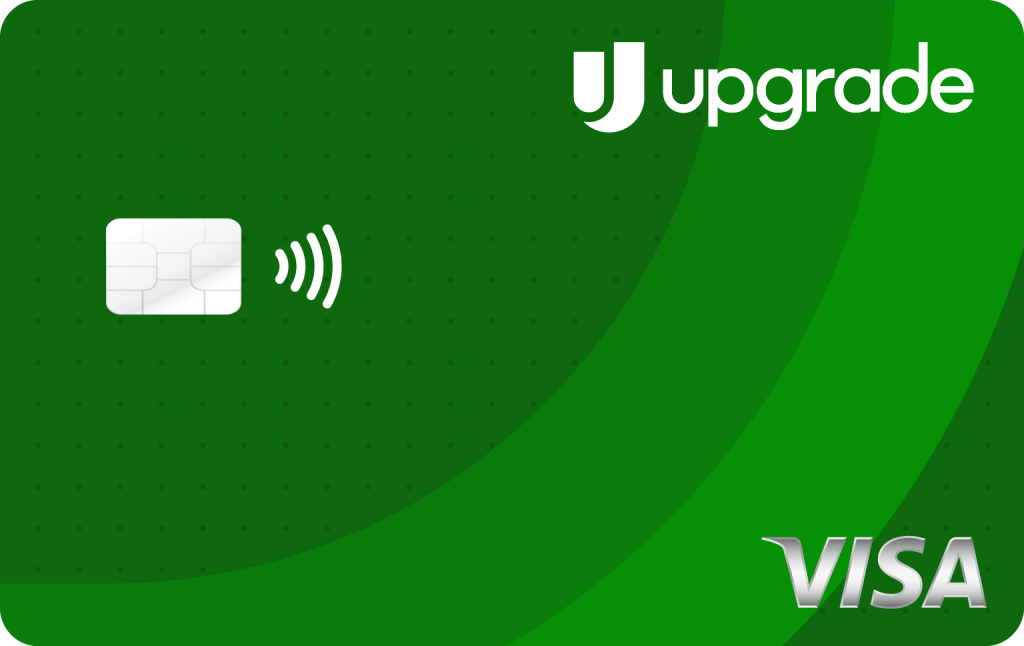
The Upgrade Visa Card doesn’t behave like a typical credit card, and that’s exactly the point. It blends the convenience of a Visa you can swipe anywhere with the structure of a personal loan, giving you fixed monthly payments instead of an open-ended revolving balance. For people who want spending flexibility but worry about debt spiraling, that hybrid design can be genuinely useful.
What Makes the Upgrade Card Different
Most credit cards let you carry a balance indefinitely, paying only a minimum while interest compounds. The Upgrade Card flips that model. When you’re approved, you receive a personal line of credit, and the balance you accumulate each cycle is converted into an installment plan with equal monthly payments. You pay it down on a fixed schedule, much like a loan, which gives you a clear payoff date rather than an endless revolving balance.
How the Credit Line and Payments Work
Credit lines typically range widely, often from a few hundred dollars up to $25,000, depending on your creditworthiness and the issuer’s evaluation. The amount you spend gets grouped and amortized over a fixed term, commonly 24, 36, or 60 months. Because payments are equal each month, you always know what you owe and when the balance will reach zero. This structure naturally discourages the minimum-payment trap that keeps so many people in debt.
Interest, Fees, and Rewards
APRs are variable and depend heavily on your credit profile, generally landing somewhere in a broad range from the mid-teens up toward roughly 30 percent. That means well-qualified applicants can get competitive rates, while those with weaker credit will pay more. One of the card’s strongest features is its fee transparency:
- No annual fee.
- No late payment fee (though late payments still affect your credit).
- No prepayment penalty, so paying off early saves you interest.
On the rewards side, the cash-rewards version of the card commonly earns 1.5% cash back on purchases, redeemed automatically as statement credits. Note that balance transfers and foreign transactions may carry their own fees, so review those details before relying on them.
The Advantages at a Glance
- Fixed monthly payments create a predictable payoff path.
- No annual fee and no prepayment penalty.
- Potentially lower interest than a standard revolving card for qualified borrowers.
- Flat 1.5% cash back on the rewards version.
- Pay-early flexibility that reduces total interest.
Applying and Managing the Account
Upgrade typically lets you check your potential rate with a soft inquiry that doesn’t affect your score, so you can see your likely terms before committing. If you move forward and accept an offer, a hard inquiry usually follows. Day-to-day management happens primarily through a mobile app and online dashboard, where you can track your balance, view your fixed payment schedule, and see exactly how much of each payment goes toward principal versus interest. That transparency is part of the appeal: instead of a vague minimum payment, you get a concrete payoff timeline you can actually plan around. Because the card reports to the major credit bureaus, consistent on-time payments can also strengthen your credit profile over time, while missed payments will hurt it just as they would with any credit product. It’s worth setting up account alerts so you always know when a payment is due and how your balance is trending.
Where It Falls Short
- It isn’t a true charge-and-revolve card, so it lacks the open-ended flexibility some users want.
- The top end of the APR range is high for less-qualified applicants.
- Foreign transaction and balance transfer fees can apply.
- The installment structure can feel rigid if your cash flow varies month to month.
Who It Suits Best
The Upgrade Card is a strong match for disciplined borrowers who want structure. If you tend to carry a balance and dislike the way revolving interest piles up, the fixed-payment model gives you a finish line. It can also appeal to someone consolidating a planned expense who values a predictable schedule and a flat cash-back rate.
It’s a weaker fit if you always pay your balance in full each month anyway, since you’d likely get more value from a premium rewards card with bonus categories. It’s also not ideal for travelers who’d be exposed to foreign transaction fees, or for anyone who needs the maximum flexibility of a traditional revolving line.
Tips for Using It Effectively
Lean into the card’s design rather than fighting it. Because there’s no prepayment penalty, make extra payments whenever you can to cut down the interest you’ll pay over the term. Use autopay to protect your payment history, since on-time payments are what build your score. Keep your spending within an amount you can realistically amortize, and avoid foreign purchases on this card to sidestep the transaction fee. If you carry the rewards version, treat the 1.5% cash back as a bonus, not a reason to overspend.
Final Take
The Upgrade Visa Card is a thoughtful middle ground between a credit card and a personal loan. Its fixed payments, lack of annual and prepayment fees, and flat cash back make it an appealing tool for people who want to spend on a Visa while keeping their debt on a clear, structured path. The high end of its APR range and its installment rigidity won’t suit everyone, but for borrowers who value predictability and want to avoid the revolving-debt trap, it’s a smart and refreshingly transparent option. As with any credit product, the real value comes from how you use it: borrow only what you can comfortably repay on schedule, take advantage of the no-penalty early payoff, and let the fixed structure keep your finances on track.
This article is for general informational purposes only and does not constitute financial advice. Rates, fees, and terms are subject to change — verify the latest details with the card issuer before applying.