In this article
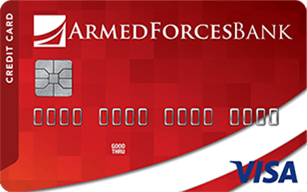
Rebuilding or establishing credit usually means starting with a secured card, and the Armed Forces Bank Credit Builder Secured Visa is designed for exactly that purpose. It offers a clear path to a stronger credit profile while keeping your deposit working in an interest-earning savings account. This review explains how the card functions, what it costs, and who stands to benefit most from it.
Understanding This Secured Card
The Credit Builder Secured Visa is a secured credit card from Armed Forces Bank, a financial institution with deep ties to the military community. Despite the name, it is open to the general public, not just service members. Like other secured cards, it requires a refundable security deposit that establishes your credit line — but it adds a twist by placing that deposit into a linked Credit Builder Savings Account that earns interest while you use the card.
The core goal is right in the name: helping cardholders build or rebuild credit history through responsible use, with the deposit acting as the bank’s safety net. Secured cards like this one function almost identically to a standard credit card in day-to-day use — you can swipe it anywhere Visa is accepted, and the merchant never knows it’s secured. The only practical difference is that your spending power is backed by money you’ve set aside, which is what allows people with thin or damaged credit files to get approved.
Deposit, Fees, and Terms
To open the account you fund a security deposit, generally ranging from a few hundred dollars up to several thousand, and that amount becomes your credit limit. The minimum deposit requirement sits on the higher side compared with some competing secured cards that let you start with as little as $200, so applicants with very little cash to set aside should plan accordingly.
The official issuer materials describe the card as having no annual fee, though you should always confirm the current fee schedule directly before applying, as third-party summaries sometimes disagree. As with any credit card, a variable APR applies to balances you carry, and because this is a credit-building product, that rate tends to be relatively high. The practical guidance is simple: pay your balance in full each month so interest never becomes a factor.
How It Helps Build Credit
The card’s biggest value is that it reports your activity to all three major credit bureaus — Equifax, Experian, and TransUnion. Consistent on-time payments and low balances are reported month after month, which is the foundation of building a positive credit history. Over time, this track record can raise your credit score and open the door to better financial products.
A notable feature is the upgrade path: with a history of responsible use, your account may graduate to an unsecured card, at which point your deposit is returned. Your deposit is also refundable if you close the account in good standing with a fully paid balance. That graduation potential is what separates a true credit-builder from a card you’d be stuck with indefinitely. It also means you’re not locked into tying up your cash forever; the deposit is a temporary step rather than a permanent cost. For many users, watching that deposit come back after months of disciplined use is a tangible sign that their credit-building effort has paid off.
Pros and Cons
- Pro: Reports to all three major credit bureaus, supporting credit growth.
- Pro: Security deposit sits in an interest-earning savings account.
- Pro: Clear upgrade path to an unsecured card with responsible use.
- Pro: Marketed with no annual fee, keeping ongoing costs low.
- Pro: Deposit is fully refundable when you graduate or close in good standing.
- Con: Higher minimum deposit than some entry-level secured cards.
- Con: High APR, so carrying a balance is costly.
- Con: No meaningful rewards program, as the focus is credit building, not earning.
- Con: Your spending power is limited to the size of your deposit.
Who Should Apply and Who Should Skip
This card makes sense for people with limited, damaged, or no credit history who want a structured, legitimate way to build a positive track record. Because the deposit earns interest, it appeals to those who like the idea of their security funds doing something rather than sitting idle. Members of the military community and their families, who may already bank with the institution, may find it especially convenient.
You should probably look elsewhere if you cannot comfortably set aside the required minimum deposit, or if a secured card with a lower entry point fits your budget better. Anyone who already has good credit has no reason to choose a secured card, and shoppers primarily seeking cash back or travel rewards will find little here.
Tips for Using It Well
Treat this card as a tool, not a spending vehicle. Make a small recurring charge each month — a subscription or a tank of gas — and pay it off in full and on time to generate consistent positive reporting. Keep your utilization low, ideally well under 30% of your credit limit, since utilization is a major scoring factor. Set up autopay so you never miss a due date, and check in periodically on your credit score to track progress. Once your credit has improved and you’ve met the issuer’s criteria, pursue the graduation path or apply for an unsecured rewards card and reclaim your deposit.
Final Verdict
The Armed Forces Bank Credit Builder Secured Visa is a solid, purpose-built tool for establishing or rebuilding credit. Reporting to all three bureaus, an interest-earning deposit, and a defined upgrade path are genuine advantages that align with the goal of long-term credit health. The higher minimum deposit and lack of rewards are the main trade-offs, but for someone focused on building credit responsibly, those are reasonable. Used with discipline, it can be an effective stepping stone toward stronger financial standing.
This article is for general informational purposes only and does not constitute financial advice. Rates, fees, and terms are subject to change — verify the latest details with the card issuer before applying.