In this article
If you want a credit card that rewards you on every single purchase without forcing you to track rotating categories or activate bonus offers, the Citi Double Cash Card has long been one of the simplest options on the market. It pairs a flat cash-back structure with a $0 annual fee, which is why it remains a staple recommendation for everyday spenders. In this guide we break down how the card works, what it costs, and whether it deserves a spot in your wallet.
What the Citi Double Cash Card Is
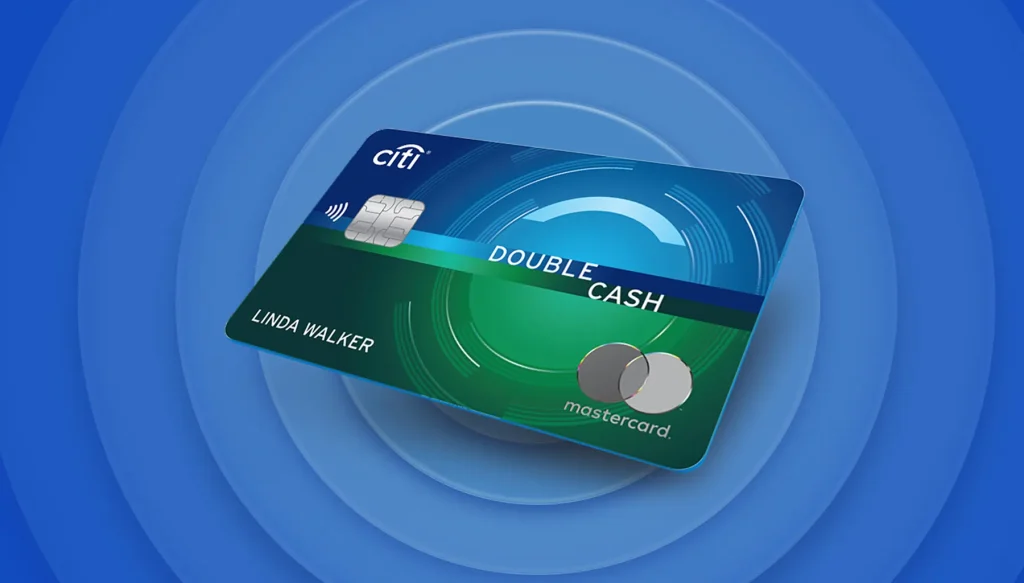
The Citi Double Cash is a no-frills flat-rate cash-back card issued by Citi. Its claim to fame is a structure that effectively pays you 2% on virtually everything you buy: 1% when you make a purchase and another 1% as you pay off that purchase. There are no spending categories to choose, no quarterly enrollment, and no caps on how much cash back you can earn, which makes it one of the most “set it and forget it” cards available.
Technically the rewards now post as Citi ThankYou Points (1 point equals 1 cent), but for most users it behaves exactly like cash back. That small distinction also opens up some flexibility, which we’ll cover in the rewards section.
Fees, APR, and the Fine Print
The headline cost figure is easy to remember: the card carries a $0 annual fee. That alone makes it appealing, because you never have to spend a minimum amount just to justify keeping it open.
Where you need to pay attention is interest and transfer fees. The card typically offers a lengthy introductory 0% APR window on balance transfers (often around 18 months), after which a variable APR in roughly the 17% to 28% range applies depending on your creditworthiness. Importantly, the Double Cash does not usually offer a 0% intro APR on new purchases, so it is not the right tool for financing a big-ticket buy. Balance transfers also come with a fee, commonly 3% during an early promotional window and 5% afterward. As with most cards, carrying a balance erases your cash-back gains, so this card rewards people who pay in full.
How the Rewards Actually Work
The two-part earning structure is the defining feature. You earn the first 1% at the moment of purchase and the second 1% only when you pay the bill. The practical takeaway is that you must actually pay your statement to collect the full 2% — letting a balance linger means you forfeit part of your rewards and pay interest on top of it.
Because rewards accumulate as ThankYou Points, you can redeem them as a statement credit, direct deposit, or check. Cardholders who also hold a premium Citi travel card can sometimes transfer points to airline and hotel partners, potentially squeezing more value out of them than a straight 1-cent redemption. New applicants frequently see a welcome offer, such as a cash bonus after meeting a modest spending threshold in the first few months, though the exact terms change over time.
Strengths and Weaknesses
- Pro: A strong flat 2% return on all purchases with no categories to manage.
- Pro: No annual fee, so the card costs nothing to keep long term.
- Pro: Long introductory 0% APR period for balance transfers.
- Pro: Optional point flexibility when paired with other Citi cards.
- Con: No intro APR on new purchases, limiting its use for large financed buys.
- Con: No bonus categories, so heavy spenders in groceries, dining, or travel can out-earn it elsewhere.
- Con: Foreign transaction fees typically apply, making it a poor choice abroad.
- Con: You only get the full 2% if you pay your bill, not just make purchases.
Who Should Get It and Who Should Pass
This card is a natural fit for people who want simplicity. If you dislike juggling multiple cards, tracking rotating 5% categories, or remembering to activate offers, the Double Cash delivers a dependable return with zero effort. It also works well as a “catch-all” card alongside a category card — you use the category card where it earns the most and put everything else on the Double Cash.
You should probably skip it if you frequently travel internationally (because of foreign transaction fees), if you want a meaningful sign-up bonus and premium travel perks, or if your spending is heavily concentrated in categories where another card pays 3% to 5%. Big spenders on dining or groceries, in particular, may earn more with a category-focused card.
Tips to Maximize Value
To get the most out of the card, always pay your statement in full so you capture the complete 2% and avoid interest. Use it as the default card for any purchase that doesn’t fall into a higher-earning category on another card you hold. If you also own a premium Citi card, consider pooling your ThankYou Points and exploring transfer partners for potentially higher value than cash. Finally, take advantage of the balance-transfer intro period only if you have a real plan to pay the transferred balance off before the promotional rate ends, and factor in the transfer fee before committing.
Final Verdict
The Citi Double Cash Card earns its long-standing reputation as one of the best straightforward cash-back cards available. A flat 2% return, no annual fee, and a generous balance-transfer window make it an easy recommendation for anyone who values simplicity over chasing categories. Its weaknesses — no purchase intro APR, foreign transaction fees, and no bonus categories — are real but predictable. For most everyday spenders looking for a reliable everyday card, it remains a smart, low-maintenance choice.
This article is for general informational purposes only and does not constitute financial advice. Rates, fees, and terms are subject to change — verify the latest details with the card issuer before applying.