In this article
The Total Visa Credit Card is marketed to people with bad credit who want an unsecured card without putting down a deposit. On the surface that sounds like a convenient shortcut back into the credit system, but the details matter a great deal here. This full review walks through what the card offers, how its fee structure works, and whether the trade-offs make sense for your situation.
An Overview of the Total Visa Card
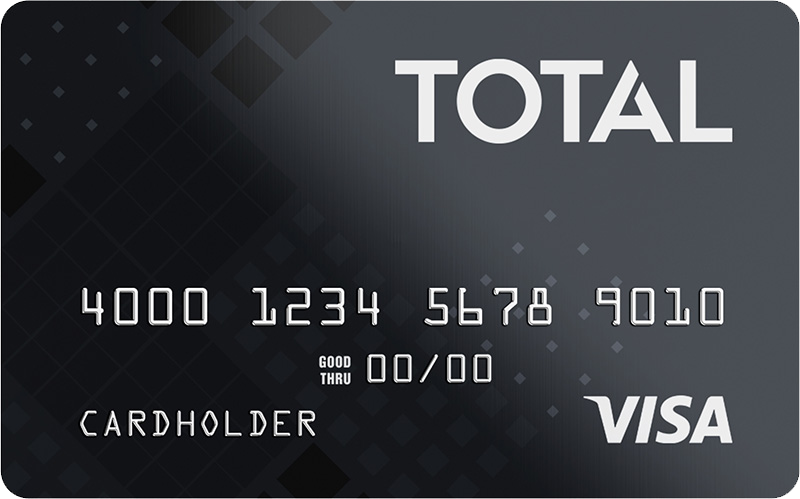
The Total Visa is an unsecured credit card designed for consumers with poor or limited credit who may not qualify for mainstream offers. Because it does not require a security deposit, it appeals to applicants who cannot or do not want to lock up cash. It operates on the Visa network, so it is accepted broadly, and the issuer reports account activity to the major credit bureaus. In practice, it sits in the subprime category, meaning it prioritizes approval odds over low costs or rewards.
Breaking Down the Fees
Cost is the defining feature of this card, and it is layered. There is a one-time program fee that must be paid before the account is even opened, separate from the annual fee. The card also charges an annual fee, and depending on your approved credit limit, a monthly servicing fee may apply, often waived during the first year but kicking in afterward. The combined effect is significant: on a low credit limit, the upfront program and annual fees can consume a large share of your available credit before you make a single purchase, pushing your utilization high from the start. Because these figures vary by offer and can change, confirm the exact numbers with the issuer before applying.
Interest Rate and Borrowing Costs
Beyond the fees, the Total Visa carries a high purchase APR typical of subprime cards. If you carry a balance from month to month, interest charges accumulate quickly and add to an already costly product. The combination of front-loaded fees and a steep interest rate means this card is one of the more expensive ways to access an unsecured line. The only way to avoid the interest portion is to pay your balance in full each billing cycle, which is the approach any responsible user should take regardless of the card.
What You Get in Return
The benefits are modest and focused on access rather than perks. The main draw is that approval is realistic for people with damaged credit, and no deposit is required. The card reports to the credit bureaus, so consistent on-time payments can help rebuild your score over time. You also get standard Visa acceptance and basic card functionality. What you will not find is a rewards program, cash back, an intro APR, or any premium features. This is strictly a utility card meant to reestablish a payment history.
Advantages and Disadvantages
- Pros: No security deposit needed; accessible to applicants with bad credit; reports to the major credit bureaus, supporting credit rebuilding; widely accepted on the Visa network; straightforward application process.
- Cons: A separate program fee charged before the account opens; an annual fee plus a potential monthly servicing fee in later years; a high APR; fees that significantly reduce your usable credit on a low limit; and no rewards or standout benefits.
Is This Card Right for You?
The Total Visa fits a narrow profile: someone with bad credit who has been declined for other cards and absolutely cannot provide a deposit for a secured alternative. If those constraints describe you, and you commit to using the card lightly and paying it off in full, it can serve as a temporary bridge to better credit. However, if you can scrape together even a small deposit, a secured card from a bank or credit union will almost always cost less and return your money later. Anyone focused on rewards, low fees, or long-term value should skip this card entirely.
Using It Responsibly
If you proceed, approach the Total Visa as a short-term rebuilding instrument. Make only small purchases you can pay off immediately, and clear the full statement balance every month to avoid the high interest. Keep a close eye on your utilization, since the fees already eat into your limit. Set up payment reminders or autopay so you never miss a due date, because missed payments would defeat the entire purpose. As your score climbs, plan an exit to a cheaper card so you stop paying steep fees for credit you can get elsewhere more affordably.
The Secured Card Comparison
It is worth spelling out why so many reviewers steer applicants toward secured cards instead. With a secured card, you place a refundable deposit that usually becomes your credit limit, and you typically pay a low annual fee or none at all. That deposit is your money; you get it back when you upgrade or close the account responsibly. The Total Visa flips this arrangement: instead of a refundable deposit, you pay nonrefundable program, annual, and potential monthly fees that you never see again. Over a year or two, those sunk costs can exceed what a secured card’s deposit would have been, and at the end you have nothing to reclaim. The Total Visa’s only structural advantage is that it requires no deposit at approval, which can matter if you genuinely have no cash to set aside, but for most people the secured route is both cheaper and more forgiving.
Final Assessment
The Total Visa Credit Card does what it promises, opening the door to an unsecured line for people with poor credit and no deposit. That accessibility has genuine value for a small group of applicants who are out of other options. But the layered fees and high APR make it an expensive choice, and for most people a secured card represents a smarter, cheaper path to the same goal. Consider it only when alternatives are truly unavailable, use it briefly and carefully, and move on as soon as your credit allows.
This article is for general informational purposes only and does not constitute financial advice. Rates, fees, and terms are subject to change — verify the latest details with the card issuer before applying.