In this article
If your credit history has taken a hit, finding a card that will approve you can feel like the hard part. The Total Visa Card is one of the unsecured options that markets directly to people in that situation, promising approval without a security deposit. This guide walks through how it works, what it really costs, and whether it’s a sensible tool for rebuilding your credit.
A Quick Overview of the Total Visa Card
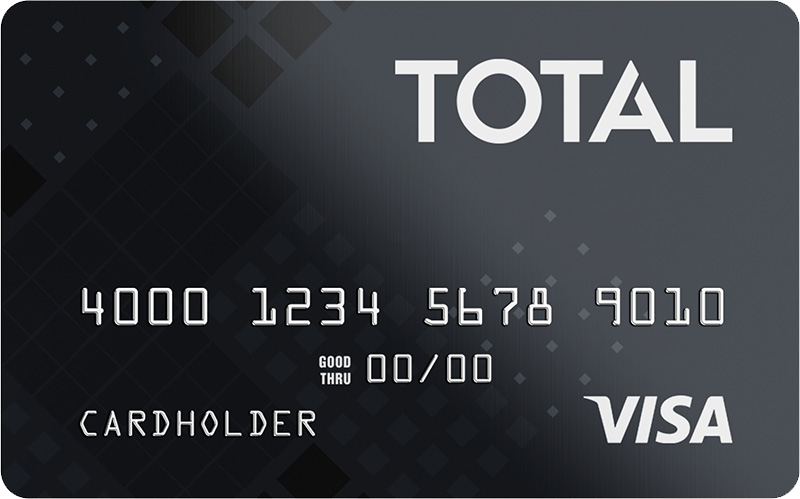
The Total Visa is an unsecured credit card designed for consumers with poor or limited credit. Because it’s unsecured, you don’t have to lock up a refundable deposit the way you would with a secured card. It’s issued through a partner bank, accepted anywhere Visa is taken, and it reports your account activity to the credit bureaus. The trade-off for that easy access is a notably high cost of ownership.
Breaking Down the Costs
This is the part that deserves the most attention. The Total Visa typically charges a one-time program fee of around $95 that you must pay before the account opens. There’s also an annual fee, which is higher in the first year (commonly around $75) and lower in subsequent years (often in the high-$40s range).
Beginning in the second year, a monthly servicing fee of roughly $10 per month usually applies; it’s generally waived during year one. Stacked together, the first-year cost can land near or above $170, and ongoing yearly costs remain substantial. Confirm the exact numbers in your specific offer, as terms can vary and change.
Credit Limit and What’s Left to Spend
Approved credit limits are generally small, often in the $200 to $500 range. The complication is that the first-year annual fee is charged against your limit right away, so your available credit on day one can be meaningfully lower than the headline limit. If you’re approved for $300 and the annual fee is deducted, you may start with well under that to actually spend.
The Credit-Building Upside
The reason anyone considers a card like this is the reporting. The Total Visa reports to all three major credit bureaus, which is genuinely useful. Many subprime products report to only one or two, so reporting to all three means responsible use can help build your profile across the board.
- No security deposit required.
- Accessible to applicants with damaged credit.
- Reports to Equifax, Experian, and TransUnion.
- Full Visa acceptance for everyday purchases.
The Downsides You Can’t Ignore
- The combination of program fee, annual fee, and monthly servicing fee makes it one of the priciest rebuilding cards on the market.
- Low limits that shrink further once fees are applied.
- A high APR makes carrying a balance very expensive.
- No rewards, cash back, or standout perks.
How the Application and Account Work
Applying for the Total Visa is designed to be quick, and the card is marketed toward people who expect to be turned down by mainstream issuers. Approval decisions weigh your application details, and because it’s an unsecured product, you won’t be asked for a refundable deposit. Once you’re approved, the program fee must be paid before the account activates, and the first-year annual fee is then charged against your limit. From there, you manage the account online, where you can monitor your balance, make payments, and watch your available credit. One practical reality to keep in mind: with such a small limit, even modest spending can push your utilization ratio high, which can weigh on your score. Because of that, treating the card as a tool for small, deliberate charges, rather than as a primary spending account, is essential to getting any credit benefit from it.
Is This the Right Card for You?
The Total Visa might fit someone who has been repeatedly declined elsewhere, can’t fund a secured card deposit, and is fully committed to paying in full each month. In that scenario, the bureau reporting can quietly do its work while you rebuild.
For most people, however, a secured credit card is the better value. A secured card’s deposit is refundable and usually sets your limit, and the ongoing fees tend to be far lower. If you can scrape together a $200 deposit, you’ll almost certainly rebuild your credit at a fraction of the cost. Anyone with mid-range credit should look at no-fee or low-fee alternatives before settling here.
Using It Wisely If You Apply
Think of the Total Visa as a stepping stone, not a destination. Make only small purchases you can comfortably repay, then pay the statement balance in full to dodge the high interest. Keep your balance low relative to that modest limit, since utilization affects your score. Automate your payments so you never miss a due date, because one late payment can erase months of progress. Set a reminder to review your standing in about a year; once your score climbs, aim to graduate to a cheaper card and close this one.
The Verdict
The Total Visa Card does what it advertises: it approves people with weak credit, requires no deposit, and reports to all three bureaus. But it charges heavily for that access through layered fees and a high APR, making it one of the more expensive ways to rebuild. If a secured card is within reach, that path will usually serve you better and cost far less. Treat the Total Visa as a short-term option for a specific situation, use it with discipline, and plan your exit from the start. The goal isn’t to keep this card forever; it’s to use it responsibly just long enough to qualify for something better, and then move on to a card that costs you far less to carry.
This article is for general informational purposes only and does not constitute financial advice. Rates, fees, and terms are subject to change — verify the latest details with the card issuer before applying.