In this article
- What the Tomo Card Is Trying to Do
- How Approval and Spending Work
- The Weekly Payment Model and Why There’s No Interest
- Fees, Rewards, and Perks
- An Important Caveat About Credit Reporting
- What Daily Use Actually Feels Like
- Pros and Cons
- Who It Fits and Who Should Look Elsewhere
- Tips for Using It Well
- Final Verdict
For anyone who has been stuck in the credit catch-22, where you need credit to build credit, the Tomo Mastercard pitches an unconventional escape route. It promises approval without a credit score, no security deposit, and no interest charges. That’s an intriguing combination, but the card works in some unusual ways that you’ll want to fully understand before applying.
What the Tomo Card Is Trying to Do
Tomo is a fintech card built for people who lack a traditional credit history, including young adults, recent immigrants, and others with thin or no credit files. Rather than pulling a credit score, Tomo evaluates your banking activity and income stability by linking directly to your bank account. The goal is to offer a usable Mastercard to people whom conventional issuers would automatically reject, all without a hard credit check.
How Approval and Spending Work
Because Tomo doesn’t rely on a credit score, approval hinges on what your linked bank account shows about your cash flow and stability. Approved spending power can vary widely, reportedly anywhere from around $100 up to several thousand dollars, depending on what Tomo’s review finds. There’s no hard credit inquiry, so applying doesn’t risk dinging a score you may not even have yet.
The Weekly Payment Model and Why There’s No Interest
Here’s the feature that sets Tomo apart most clearly: instead of a monthly billing cycle with a revolving balance, your balance is automatically paid off every seven days from your linked bank account. Because you’re never allowed to carry a balance from week to week, there’s no revolving debt and therefore no interest to charge. This design makes it nearly impossible to fall into the debt trap that derails many new cardholders, but it also requires that your bank account always have enough to cover the weekly autopay.
Fees, Rewards, and Perks
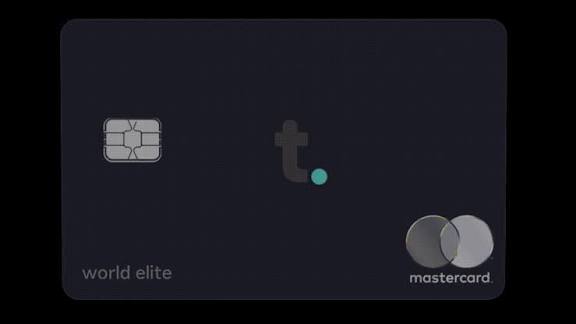
Tomo advertises no annual fee and no interest charges, which keeps the cost of holding the card low. On rewards, expectations should be modest; the card’s cash-back offering has changed over time and is limited compared with mainstream rewards cards, so it shouldn’t be your reason to apply. On the perks side, the card carries World Elite Mastercard benefits, which can include things like cell phone protection and occasional partner credits. Those extras are a nice bonus but secondary to the card’s main purpose.
An Important Caveat About Credit Reporting
This deserves a clear warning. The entire appeal of a credit-builder card depends on it reporting your activity to the credit bureaus. There have been reports and uncertainty about whether Tomo has consistently reported payments to the bureaus, and its public materials have at times been vague on the subject. If credit reporting is your primary goal, do not assume it’s happening. Verify the card’s current reporting practices directly with Tomo before applying, because a card that doesn’t report won’t build your credit no matter how responsibly you use it.
What Daily Use Actually Feels Like
In practice, using the Tomo card resembles a debit-and-credit hybrid more than a traditional credit card. You swipe it for purchases like any Mastercard, but instead of a monthly statement you’re working on a rolling seven-day rhythm: spend during the week, and the linked bank account settles up automatically. For people used to the freedom of paying a balance over time, that cadence takes adjustment, and it means you need to think of the card more like a tightly managed spending tool than a source of short-term borrowing. The upside is that you essentially cannot overextend yourself the way you can with a conventional card, because the balance never compounds. The downside is rigidity: if your income is irregular or your bank balance dips, the weekly autopay leaves little slack. Anyone considering Tomo should be honest about how steady their cash flow really is before relying on this structure.
Pros and Cons
- Pro: No credit score or credit history required to apply.
- Pro: No security deposit and no hard credit inquiry.
- Pro: No interest and no annual fee, thanks to the weekly payoff design.
- Pro: World Elite Mastercard perks.
- Con: Weekly autopay demands a well-funded, stable bank balance.
- Con: Limited and changeable rewards.
- Con: Uncertainty around consistent credit-bureau reporting, which undercuts the core use case.
Who It Fits and Who Should Look Elsewhere
Tomo can appeal to credit newcomers with steady income who want a no-fee, no-interest card and are comfortable with weekly automatic payments. If you keep a reliable cushion in your bank account and want to avoid revolving debt entirely, the structure can be reassuring.
You should look elsewhere if you can’t guarantee enough money for weekly autopay, or if guaranteed credit-bureau reporting is non-negotiable for you. In that case, a well-established secured card from a major bank, with clearly documented reporting to all three bureaus, may be the safer route to building your history.
Tips for Using It Well
Keep a healthy buffer in your linked bank account so the weekly payment never fails, since a missed autopay defeats the purpose. Confirm directly with Tomo whether and how it reports to the bureaus before you count on it for credit-building. Use the card for small, routine purchases you’d make anyway, and check periodically that your activity is appearing on your credit reports if reporting is your aim.
Final Verdict
The Tomo Mastercard offers a genuinely creative approach to the no-credit-history problem, with no deposit, no interest, and no hard inquiry, all wrapped around a weekly autopay design that prevents debt from accumulating. For the right disciplined user with steady cash flow, that’s appealing. The major hesitation is the uncertainty around consistent credit-bureau reporting, which is the very thing most applicants want. Before applying, confirm the current reporting situation directly; if it checks out, Tomo can be a useful tool, but if it doesn’t, a traditional secured card is the more dependable path.
This article is for general informational purposes only and does not constitute financial advice. Rates, fees, and terms are subject to change — verify the latest details with the card issuer before applying.