In this article
Building credit traditionally means navigating credit checks, security deposits, and the risk of interest charges piling up. The Tomo credit card flips that script with a modern, app-driven approach aimed at people who have thin or nonexistent credit histories. Below, we explore how it works, what it costs, and whether this unconventional product is the right fit for your financial goals.
A Different Kind of Credit Card
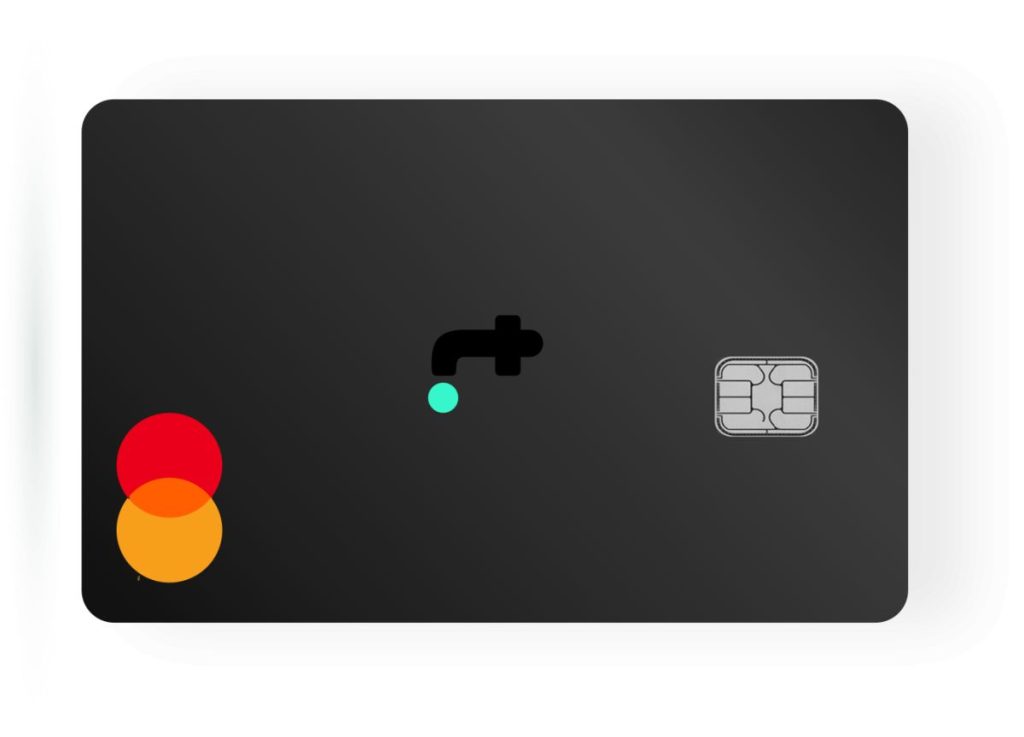
Tomo is best understood not as a typical credit card but as a charge card designed for credit building. There is no hard credit check and no credit score requirement to apply. Instead of pulling your credit report, Tomo links to your bank account and evaluates factors like income stability, cash flow, and account balances to decide your spending power. This makes it especially appealing to newcomers, students, immigrants, and anyone shut out by conventional underwriting.
How Approval and the Credit Limit Work
Because Tomo relies on your banking data rather than a FICO score, approval is based on your real financial behavior. Reported credit limits generally range from a few hundred dollars up to several thousand, with the highest figures cited around $10,000 for the strongest applicants. Your limit is tied to your linked bank balance and overall financial profile, so it reflects what you can realistically afford rather than an arbitrary line based on credit history.
Costs, Payments, and the Autopay System
One of Tomo’s biggest draws is its fee structure. The card charges no interest because it operates at 0% APR, and historically it has advertised no traditional annual fee, no late fees, and no foreign transaction fees on the card itself. That said, terms have shifted over time, and some sources note a small recurring monthly membership charge, so it is wise to confirm the current pricing directly before applying.
The trade-off for zero interest is that balances must be paid off on a short cycle. Tomo encourages enrolling in a 7-day autopay feature, which automatically pulls payment from your linked bank account once a week to cover the prior week’s charges. If a balance is not paid, your card can be frozen until it is cleared. This structure keeps you from carrying debt, but it demands that you keep enough money in your bank account to cover spending.
Rewards and Credit-Building Features
Tomo reports your payment activity to all three major credit bureaus, Experian, Equifax, and TransUnion. Because the frequent autopay cycle generates a steady stream of on-time payments, it can help establish a positive payment history relatively quickly when used responsibly. Tomo has at times offered a modest cash-back rate on purchases, though rewards programs like this can change, so do not assume any specific earning rate without checking the latest terms.
The mechanics matter here. Payment history is the single largest factor in most credit scoring models, so a card that generates frequent, reliably on-time payments can be a powerful tool for someone starting from scratch. By pulling payment weekly rather than monthly, Tomo effectively multiplies the number of positive data points it can report, which is part of what distinguishes it from a conventional starter card. The flip side is that the same frequency means any missed pull is noticed quickly, so keeping your linked account funded is non-negotiable.
Strengths and Drawbacks at a Glance
- Pros: No hard credit check and no security deposit; no interest charges thanks to 0% APR; reports to all three credit bureaus; frequent autopay builds payment history fast; modern app-based experience.
- Cons: Short weekly payment cycle requires careful cash management; potential recurring monthly fee depending on current terms; the account can be frozen if you fall behind; rewards may be limited or subject to change; spending power is tied to your bank balance.
Who Benefits Most and Who Might Look Elsewhere
Tomo is a strong candidate for people who cannot easily qualify for a traditional unsecured card and want to avoid the security deposit that secured cards require. It suits disciplined spenders with steady bank deposits who want a low-risk way to demonstrate reliability to the credit bureaus without ever paying interest.
On the other hand, if you prefer the flexibility of carrying a balance occasionally, the rigid weekly payoff requirement may feel restrictive. Rewards chasers will also find richer cash-back options elsewhere, and anyone uncomfortable linking a bank account for underwriting may prefer a standard secured card. Those who already have established credit likely have access to cards with stronger perks.
Tips for Using Tomo Effectively
To get the most out of Tomo, keep a comfortable cushion in your linked bank account so weekly autopayments always clear. Treat the card like a debit card by only charging what you can immediately cover, which keeps your account active and your payment history spotless. Confirm the current fee and rewards terms before signing up, and monitor your credit reports periodically to watch your score grow as on-time payments accumulate.
Final Verdict
The Tomo credit card is a genuinely modern alternative for building credit, sidestepping the credit checks, deposits, and interest charges that define so many entry-level products. Its weekly autopay model enforces healthy habits and can establish a positive track record quickly. The catch is the discipline required: short payment cycles and the possibility of a recurring fee mean it is not for everyone. For credit newcomers who manage their cash flow carefully, however, Tomo offers a thoughtful, low-risk path toward a stronger credit profile.
This article is for general informational purposes only and does not constitute financial advice. Rates, fees, and terms are subject to change — verify the latest details with the card issuer before applying.