In this article
For consumers with damaged or limited credit, finding any unsecured card that approves them can feel like a victory. The Surge Platinum Mastercard markets itself directly to this group, promising access without a security deposit. But access comes at a steep price, and it is worth understanding exactly what you are signing up for before you apply.
Understanding the Surge Platinum Mastercard
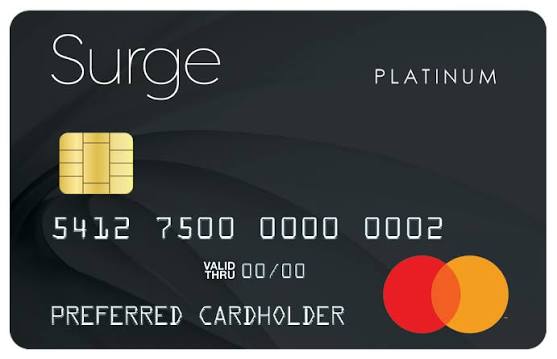
The Surge Platinum Mastercard is an unsecured credit card serviced by Continental Finance and issued by a partner bank. It is aimed squarely at applicants with poor credit or thin credit files, including people recovering from bankruptcies or defaults. Because it is unsecured, you do not have to put down a refundable deposit the way you would with a secured card. Many users report approval with scores in the 500 to 600 range, which makes it accessible when mainstream cards say no.
The Fee Structure You Need to Know
This is where caution is essential. The Surge card carries a significant annual fee, frequently reported around $75 in the first year and rising to roughly $99 or more in subsequent years, with the exact amount varying by the credit limit you are approved for. On top of that, a monthly maintenance fee, often around $10 to $12.50 per month, can kick in after the first year, adding well over $100 annually on its own.
When you stack the annual fee and monthly maintenance charges together, the total cost of carrying this card can climb to a few hundred dollars a year before you pay a cent of interest. Given starting credit limits that are often just $300 to $1,000, those fees consume a large share of your available credit right away.
APR, Limits, and Other Terms
The purchase APR on the Surge card is high, commonly cited around 29.99% to nearly 36%, which is typical for the subprime segment but punishing if you carry a balance. Credit limits usually begin modestly, in the $300 to $1,000 range, and Continental Finance advertises the possibility of a credit limit review after a period of on-time payments, though increases are not guaranteed. There is no rewards program to offset the costs.
Benefits Worth Acknowledging
Despite the expense, the card does offer a few genuine upsides. It reports to all three major credit bureaus, so consistent on-time payments can help rebuild your score over time. It provides standard Mastercard network acceptance, fraud protection, and the convenience of an unsecured line without tying up cash in a deposit. For someone with no other options, simply having an active, well-managed account on file can be valuable.
Pros and Cons in Plain Terms
- Pros: Accepts applicants with poor or limited credit; no security deposit required; reports to all three credit bureaus; widely accepted Mastercard network; potential for a credit limit review.
- Cons: High annual fee plus a monthly maintenance fee after year one; very high APR; low initial credit limits that fees quickly eat into; no rewards; mixed customer-service reviews; expensive compared with secured alternatives.
Is It a Good Choice for Low Credit Scores?
The honest answer is that it can work, but it is rarely the best value. If your credit is poor and you have been declined for lower-cost options, the Surge card provides a path back into the credit system without a deposit. However, the combined fees make it an expensive way to rebuild, and many financial experts suggest exploring a secured card first. A secured card typically charges little to no annual fee and refunds your deposit once you graduate, often making it cheaper overall.
You should think twice if you can scrape together a deposit for a secured card, if you tend to carry balances given the steep APR, or if the annual and monthly fees would strain your budget.
Tips to Minimize the Cost
If you do choose the Surge card, use it strategically. Charge only small recurring expenses you can pay off in full each month to avoid the high interest entirely. Always pay on time to protect your fragile credit and to position yourself for a possible limit increase. Keep your utilization low relative to your modest limit, and set a calendar reminder to reassess whether you can qualify for a cheaper card after six to twelve months of responsible use.
Final Verdict
The Surge Platinum Mastercard delivers on its core promise of approving people with low credit scores and no deposit, and it genuinely reports to the bureaus so you can rebuild. The problem is the price: heavy annual and monthly fees combined with a high APR and small limits make it one of the costlier ways to repair credit. If a secured card is within reach, that is usually the smarter financial move. Treat the Surge card as a last resort, use it sparingly, and aim to graduate to a better product as soon as your credit allows.
This article is for general informational purposes only and does not constitute financial advice. Rates, fees, and terms are subject to change — verify the latest details with the card issuer before applying.