In this article
Prepaid cards offer a way to spend without a credit check, a bank account requirement, or the risk of debt. The Serve Pay As You Go Visa, part of the American Express Serve family, takes a pay-only-when-you-use-it approach to fees. Here we examine how it works, what it costs, and the everyday situations where it can be genuinely useful.
What the Serve Pay As You Go Visa Is
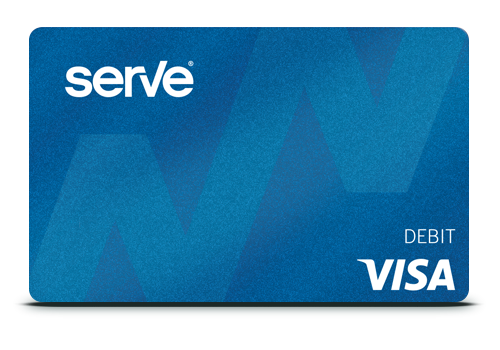
The Serve Pay As You Go Visa is a reloadable prepaid debit card rather than a credit card. You load your own money onto it and spend up to that balance, so there is no borrowing, no interest, and no credit check to get approved. The “Pay As You Go” label reflects its fee philosophy: instead of charging a flat monthly fee, it keeps the recurring cost low and applies small per-transaction or per-service fees only when you actually use certain features.
How Funding and Spending Work
You can add money to the card through several channels, typically including free options like direct deposit, mobile check deposit, and transfers from other Serve or linked accounts. Cash loads at participating retail locations are also available, though those usually carry a fee that varies by store. Once funded, the card works anywhere Visa is accepted, online and in person, and you can withdraw cash at ATMs within the supported network.
The Fee Structure Explained
The signature feature of this card is the absence of a standard monthly fee, which sets it apart from many prepaid products. In exchange, you may encounter smaller charges tied to specific actions. Reported fees have included a modest per-transaction fee on purchases, an ATM withdrawal fee on top of any charge the ATM operator imposes, and a cash-reload fee at retailers. Because these costs apply only when you use those services, light users can keep their total fees very low, while heavy daily users might find a flat-fee card cheaper.
Features and Everyday Benefits
As part of the American Express Serve ecosystem, the card has historically offered convenient tools such as free direct deposit, mobile and online account management, the ability to pay bills, and access to a large surcharge-free ATM network like MoneyPass. Funds on prepaid cards of this type are typically held at an FDIC-insured bank, and the card includes purchase protections associated with the network. Because it is prepaid, it also functions as a natural budgeting tool, since you can only spend what you load.
Practical Uses Where It Shines
- Budgeting: Load a set amount for discretionary spending so you never overspend.
- Teens and allowances: Provide a controlled spending tool without giving access to a full bank account.
- Online safety: Use it for purchases where you would rather not expose your primary bank card.
- No-bank or rebuilding situations: Receive direct deposit and pay bills without a traditional checking account.
- Travel and gifts: Carry a reloadable card instead of cash for everyday expenses.
Strengths and Limitations
- Pros: No standard monthly fee; no credit check; free funding options like direct deposit; widely accepted on the Visa network; helps with budgeting and spending control; access to a surcharge-free ATM network.
- Cons: Per-transaction and ATM fees can add up for frequent users; cash reloads at retailers cost extra; it does not build credit since it is prepaid; rewards are minimal or absent; availability and program terms have been subject to change, so confirm current status before relying on it.
Who It Suits and Who Should Look Elsewhere
This card is a good match for budget-conscious users, parents managing a teen’s spending, people without a traditional bank account, and anyone wanting a buffer card for online or travel purchases. Its pay-as-you-go model rewards light, occasional use.
It is a weaker fit for those who make many small daily transactions, since per-use fees can accumulate, or for people who want to build credit, because prepaid cards do not report to the bureaus. Anyone seeking rewards or cash back would also do better with a checking account debit card or a no-annual-fee credit card. As with any evolving prepaid program, confirm that the product is currently available and review the latest fee schedule before committing.
Tips to Use It Wisely
To minimize costs, lean on free funding methods like direct deposit and mobile check deposit rather than paid retail cash loads. Plan ATM trips to withdraw larger amounts less often, reducing per-withdrawal fees, and group purchases where possible if per-transaction charges apply. Monitor your balance through the app, and keep a written note of the current fee schedule so surprises do not erode your funds.
Final Verdict
The Serve Pay As You Go Visa is a flexible, no-monthly-fee prepaid card that excels at budgeting and controlled spending for light, deliberate users. Its strength lies in charging you only for the services you actually use, which can make it remarkably cheap to hold. The trade-off is that frequent transactions and cash reloads bring fees that can outweigh the savings, and it does nothing to build credit. For the right user with simple, occasional needs, it remains a practical and disciplined way to manage money.
This article is for general informational purposes only and does not constitute financial advice. Rates, fees, and terms are subject to change — verify the latest details with the card issuer before applying.