In this article
Building credit from scratch can feel like a chicken-and-egg problem: you need a credit history to get approved for products, but you need products to build that history. The Self Visa Credit Card aims to break that loop by pairing a secured card with the company’s Credit Builder Account. This review walks through how it works, what it costs, and whether it deserves a place in your wallet.
What the Self Visa Credit Card Actually Is
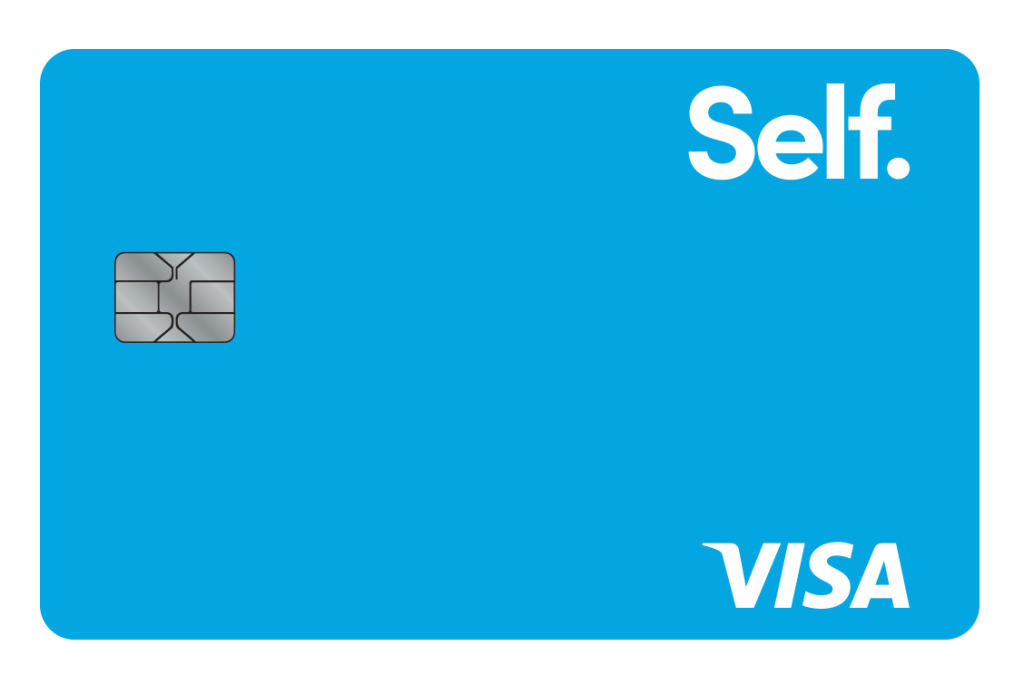
The Self Visa is a secured credit card designed specifically for people who are new to credit or working to rebuild it. Unlike a typical credit card, your spending limit is backed by a refundable security deposit. Self does not run a hard credit check when you apply, which makes it accessible to applicants who might be turned down elsewhere.
As of early 2025, you can open the card with a security deposit of as little as $100, funded directly from a debit card or bank account. You can also build toward the deposit through Self’s Credit Builder Account, a small installment loan that doubles as a savings vehicle. Either path can help you establish a track record of on-time payments.
Fees and Interest Costs
Self keeps the upfront barrier low, but the card is not free over time. There is no annual fee in the first year, after which a modest annual fee of around $25 applies. The variable APR sits near the high end for secured cards, recently around 27.49%. By comparison, the average secured card APR tends to hover closer to the low 20s, so the Self card’s rate is steeper than many competitors.
The practical takeaway: this is not a card you want to carry a balance on. As long as you pay in full each month, the APR is largely irrelevant, and the small annual fee is the main ongoing cost.
Rewards and Standout Features
If you are hoping for cash back or points, the Self Visa will disappoint. It does not earn rewards. Its value is entirely in credit building, not in everyday perks. The features that matter here are structural:
- Payment activity is reported to all three major credit bureaus, which is essential for building a score.
- The optional Credit Builder Account lets you build savings and credit at the same time.
- Eligibility for the card without a hard inquiry reduces the risk of applying.
- A low minimum deposit makes it realistic for tight budgets.
The Upsides and the Drawbacks
No card is perfect, and being honest about the tradeoffs helps you decide. Here is a balanced look:
- Pro: No hard credit pull to apply, so approval odds are generally high.
- Pro: Very low minimum deposit compared with many secured cards.
- Pro: Reports to all three bureaus, supporting genuine credit growth.
- Pro: The Credit Builder Account combines saving and credit building.
- Con: No rewards or cash back of any kind.
- Con: A relatively high APR if you ever carry a balance.
- Con: An annual fee kicks in after the first year, modest as it is.
- Con: Your credit limit is tied to your deposit, so it can start small.
Who Should Apply and Who Should Look Elsewhere
The Self Visa makes the most sense for people with no credit or damaged credit who want a low-risk, structured way to start building. If you have been declined for unsecured cards or you simply want to avoid a hard inquiry, this card fits that need well.
On the other hand, if you already qualify for an unsecured card or you want a card that earns rewards on everyday spending, the Self Visa is probably not your best option. People who tend to carry balances should also be cautious, since the interest rate can erode any benefit quickly.
Getting the Most Out of It
To use the Self Visa responsibly and efficiently, a few habits go a long way. Keep your utilization low by spending only a small portion of your limit, ideally under 30%, and pay the statement in full every month to avoid interest entirely. Set up automatic payments so a single missed due date does not undo months of progress. After several months of consistent payments, check whether you qualify for a graduation to an unsecured card or a product with rewards, at which point you can reclaim your deposit.
Treat the card as a tool with a job to do rather than a long-term centerpiece of your wallet. Once your score has climbed into a healthier range, you will likely have better options available.
The Bottom Line
The Self Visa Credit Card is a focused, no-frills product that does one thing well: it helps people build credit with minimal upfront barriers and no hard inquiry. It will not reward your spending, and its APR and post-first-year annual fee mean it is not free to keep around. But for someone starting out or rebuilding, those are reasonable tradeoffs for a clear path toward a stronger credit profile. Used disciplined and paid in full, it can be a sensible stepping stone toward the cards you actually want down the road.
This article is for general informational purposes only and does not constitute financial advice. Rates, fees, and terms are subject to change — verify the latest details with the card issuer before applying.