In this article
For consumers with bad credit shopping for an unsecured card, the Reflex Platinum Mastercard frequently turns up as an option that does not require a deposit. It promises access and credit-bureau reporting, but it comes wrapped in fees and an interest rate that deserve careful scrutiny. This breakdown lays out the pros, the cons, and the main features so you can decide with clear eyes.
A Quick Look at the Reflex Mastercard
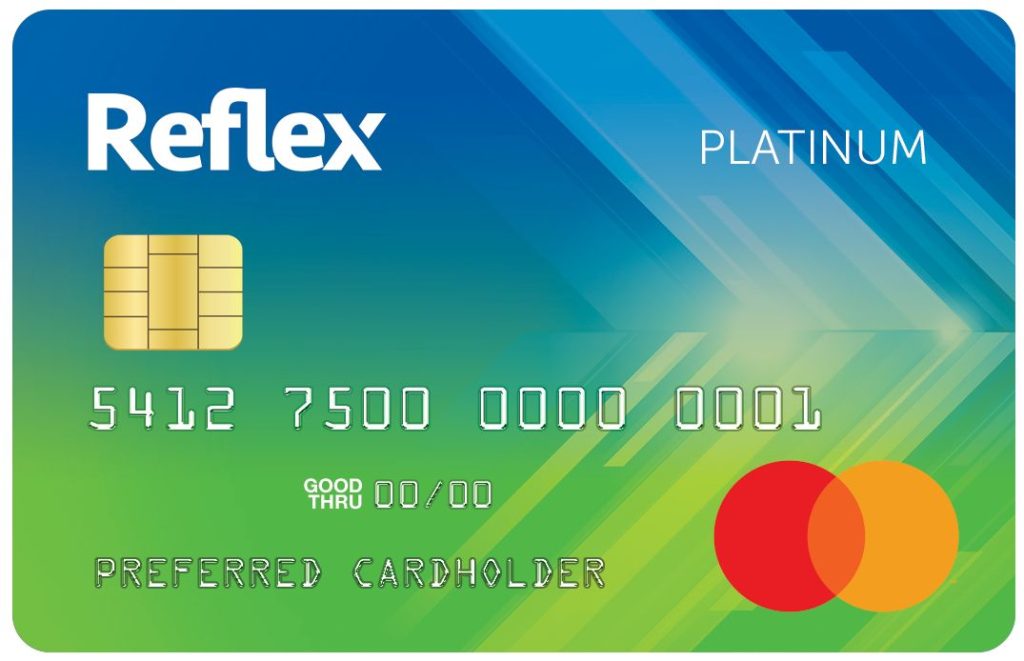
The Reflex Platinum Mastercard is an unsecured credit card aimed at people with poor or limited credit, including those rebuilding after bankruptcy or other financial difficulties. Because it does not require a security deposit, it draws applicants who cannot or prefer not to lock up cash. It runs on the Mastercard network for wide acceptance, and the issuer reports your activity to the credit bureaus. In the landscape of starter and rebuilding cards, Reflex is firmly in the subprime tier, trading higher costs for easier approval.
The Pros: Where Reflex Delivers
The card’s biggest advantage is accessibility. Applicants with credit scores well below the prime threshold, including those in the 500s, may still qualify, which opens a door that many other cards keep shut. There is no deposit requirement, so you do not need to tie up savings. Reflex reports to all three major credit bureaus, meaning disciplined, on-time use can genuinely help rebuild your score over time. The initial credit limit, while modest, can be higher than some bare-bones starter cards offer, and responsible behavior may lead to limit increases. For someone with few options, these features have real value.
The Cons: Where It Falls Short
- High fees: Reflex charges an annual fee, and in later years a monthly maintenance fee often applies, pushing total yearly costs well above the typical card.
- Steep interest: The purchase APR sits in the mid-30 percent range, higher than many cards’ penalty rates, so carrying a balance becomes very costly very fast.
- No rewards: There is no cash back, no points, and no perks to offset the expense.
- Fees reduce your limit: The annual fee can be deducted from your available credit immediately, so your usable line may be smaller than the approved limit from day one.
Understanding the Fee Structure
The cost of the Reflex card is its defining characteristic. Between the annual fee and the monthly maintenance fee that typically begins after the first year, the recurring charges add up to a meaningful sum each year, far above the small average annual fee on mainstream cards. Combine that with the very high APR and you have a product that is expensive to hold and even more expensive to carry a balance on. The exact figures depend on your individual offer and can change, so confirm the precise fees and rate with the issuer before you accept.
How the Credit Limit Works
Reflex generally extends an initial limit that varies based on your creditworthiness, with potential for it to grow over time with responsible use. The catch is that fees can be charged against that limit at the outset, so your real spending room may be reduced right away. This makes managing utilization important from the very first statement, since a small purchase on a small available balance can push your utilization ratio high, which can work against the credit-building goal you are pursuing.
Who Should Consider It, and Who Should Not
Reflex makes sense for a narrow group: people with bad credit who have been turned down elsewhere and who cannot provide a deposit for a secured card. If that is your reality and you commit to paying in full each month, it can function as a temporary bridge while you rebuild. But if you can qualify for almost any other product, particularly a secured card from a bank or credit union, you will likely pay far less, since a secured card’s deposit is refundable while Reflex’s fees are not. Reward seekers and anyone fee-averse should look elsewhere.
Tips for Using Reflex Wisely
If you choose this card, use it strategically. Make only small purchases and pay the full statement balance every month to avoid the punishing interest rate entirely. Keep your spending low relative to your already fee-reduced limit to protect your utilization ratio. Automate your payments so you never miss a due date, because a late payment would undermine the credit-building effort. Track your credit reports to confirm progress, and plan to graduate to a cheaper, no-fee card once your score recovers.
Weighing Reflex Against a Secured Card
The central question for most applicants is whether to take Reflex or pursue a secured card instead, and the math usually favors the secured option. A secured card requires you to put down a deposit, which can feel like a hurdle, but that deposit is refundable and typically sets your credit limit, and the ongoing fees are minimal or nonexistent. Reflex asks for no deposit, yet it charges nonrefundable annual and monthly fees that, over a year or two, can add up to more than a secured card’s deposit, money you never get back. Both report to the bureaus and both can rebuild credit equally well when used responsibly, so you are essentially paying a premium with Reflex purely for the convenience of skipping a deposit. Unless you truly cannot spare any cash, that premium is hard to justify.
Final Verdict
The Reflex Platinum Mastercard offers genuine accessibility and three-bureau reporting for people with poor credit who lack a deposit for a secured card. Those strengths give it a place, but the high fees, lack of rewards, and steep APR make it an expensive way to rebuild. For most applicants, a secured card will be the smarter, cheaper choice. If Reflex is truly your only option, use it briefly and carefully, pay it off in full, and move on to better credit as soon as you are able.
This article is for general informational purposes only and does not constitute financial advice. Rates, fees, and terms are subject to change — verify the latest details with the card issuer before applying.