In this article
Rebuilding credit after setbacks often means choosing between secured cards that require a deposit and unsecured subprime cards that charge for the privilege. The Milestone Mastercard sits firmly in the second camp, offering an unsecured line to people with bruised credit. This complete guide walks through its costs, features, and the situations where it does and does not make sense.
What the Milestone Mastercard Offers
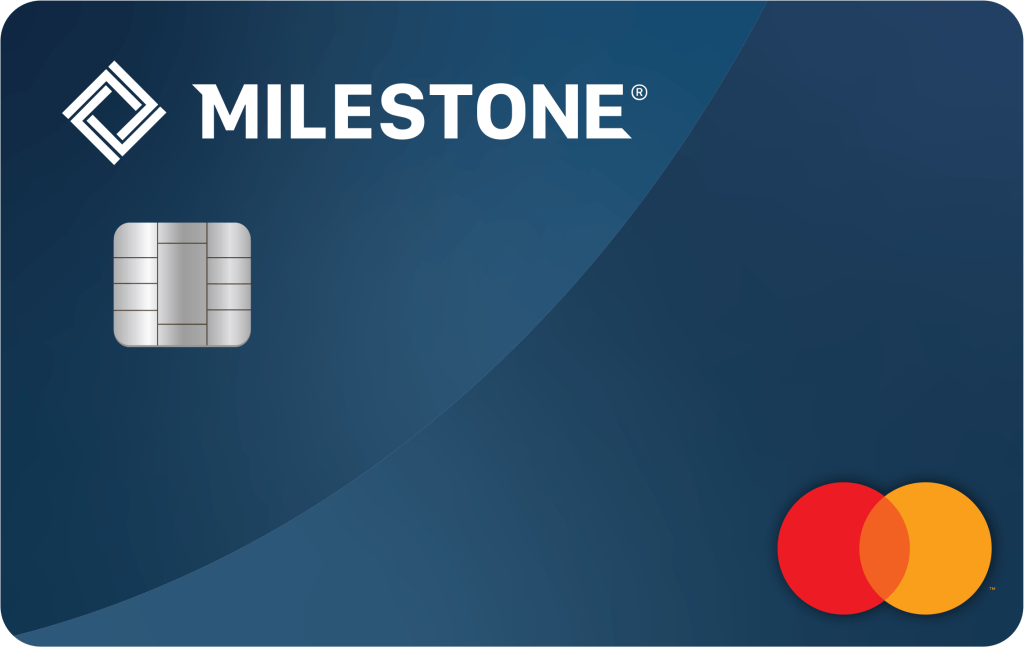
The Milestone Mastercard is an unsecured credit card issued by The Bank of Missouri and serviced by Concora Credit, designed for people with limited credit history or negative marks on their reports. Because it is unsecured, you are not required to lock up a refundable deposit. Approval is geared toward subprime applicants, and the card includes a pre-qualification check that lets you gauge your odds without an impact on your credit score.
The Cost of Admission: Fees
The defining characteristic of the Milestone card is its fee load. The annual fee is often steep in the first year, frequently reported in the neighborhood of $75 to $175 depending on the specific offer you qualify for. In later years the annual fee may drop, but a monthly maintenance fee of around $12.50 can be added, which keeps your ongoing cost meaningful.
Critically, the first-year annual fee is typically assessed at account opening, which immediately reduces your usable credit. For example, a starting limit of a few hundred dollars can be cut substantially before you ever make a purchase. Understanding this upfront is essential, because it directly affects how much spending room you actually have.
APR, Credit Limits, and Reporting
The purchase APR on the Milestone card is high, commonly cited around 35.9%, which is standard for the subprime market but costly if you carry a balance. Initial credit limits tend to be modest, often in the few-hundred-dollar range, and after the first-year fee is deducted your available credit shrinks further. There is no automatic credit limit increase program; cardholders who want a higher line generally need to request a review, and increases are not guaranteed.
On the positive side, the card reports to Equifax, Experian, and TransUnion, so disciplined use can genuinely help you build a payment history.
Features and Conveniences
Milestone offers standard Mastercard network benefits, including wide acceptance and fraud protection if your card is lost or stolen. The pre-qualification tool is a genuine plus, letting you check likely approval without a hard inquiry. Account management is handled online and through a mobile app, and there is no security deposit to fund, which can be helpful if you do not have cash available to tie up.
Honest Pros and Cons
- Pros: Unsecured with no deposit required; pre-qualification with no hard credit pull; accepts applicants with poor or limited credit; reports to all three major credit bureaus; backed by the Mastercard network.
- Cons: High first-year annual fee charged at opening; potential monthly maintenance fee in later years; very high APR; low starting limits reduced further by fees; no rewards; credit limit increases must be requested and are not guaranteed.
Who Should Consider It and Who Should Skip
The Milestone card may suit someone with damaged credit who cannot or does not want to fund a secured-card deposit, and who is committed to paying the balance in full each month to dodge the high APR. Its pre-qualification feature also makes it a low-risk card to explore if you are unsure where you stand.
That said, many people would be better served by a secured card, which usually charges far lower fees and refunds the deposit later. You should skip the Milestone card if you can fund a secured alternative, if the upfront fee would leave you with almost no usable credit, or if you expect to carry balances where the APR would compound your costs.
Smart Strategies for Cardholders
If you go with Milestone, treat it as a credit-building instrument rather than a spending tool. Keep balances very low relative to your limit, since fees already eat into your available credit, and pay in full and on time every month to avoid interest and to build a clean history. Use the card for one small recurring charge, such as a subscription, and set up autopay. After a year of responsible use, reassess whether you qualify for a lower-cost card.
Final Verdict
The Milestone Mastercard does what it advertises: it extends unsecured credit to people who struggle to get approved elsewhere, and it reports to the bureaus so you can rebuild. The drawback is the heavy fee structure paired with a high APR and small limits, which makes it an expensive route to better credit. For many, a secured card remains the more economical choice. If you understand the costs, use the pre-qualification tool, and commit to disciplined payments, the Milestone card can still serve as a stepping stone toward stronger credit.
This article is for general informational purposes only and does not constitute financial advice. Rates, fees, and terms are subject to change — verify the latest details with the card issuer before applying.