In this article
When you tend to carry a balance from month to month, the interest rate on your card matters far more than any flashy rewards rate. Low-rate Visa cards, often issued by credit unions and community banks under names like the Low Rate Pink Visa, are built around exactly this need. This article explains how these low-interest cards work, what to watch for, and whether one is a smart choice for your borrowing style.
Understanding the Low Rate Pink Visa Concept
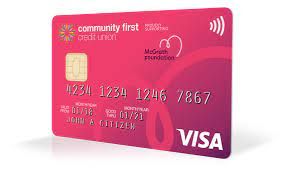
The Low Rate Pink Visa is part of a broader family of low-interest Visa credit cards typically offered by credit unions and community-focused lenders. The “low rate” label signals the card’s purpose: to keep ongoing interest costs down for members who occasionally or regularly carry a balance. The “pink” branding usually ties the card to a charitable cause, with a portion of the annual fee or purchase activity donated to a breast cancer support organization.
Unlike premium rewards cards, these products are deliberately simple. The appeal is not points or travel perks but a straightforward, lower-than-average interest rate paired with a feel-good charitable element.
How the Interest Rate Works
The central feature is the ongoing purchase APR, which on low-rate community cards is generally well below the market average. Where many mainstream cards carry rates in the low-to-mid 20s percent, low-rate Visa cards from credit unions are often positioned in the high single digits to mid-teens. The same low rate frequently applies to both purchases and cash advances, which is unusual since most cards charge a higher rate for cash advances.
Many of these cards also offer an interest-free grace period of around 55 days on purchases when you pay your statement balance in full by the due date. That combination of a low rate plus a grace period gives you flexibility whether you pay in full or occasionally let a balance roll over.
Fees and Other Costs
Low-rate cards typically keep fees modest. A small annual fee is common, sometimes in the range of $50, and on charity-linked versions a share of that fee may be donated to the supported cause. You should still expect standard charges such as a foreign or international transaction fee on purchases made abroad, often around 3%, and the usual late-payment penalties. Because the headline rate is low, the value of these cards rests on keeping the other costs minimal, so always read the fee schedule before applying.
What You Gain and What You Give Up
- Pro: A purchase APR well below the typical market average.
- Pro: The low rate often applies to cash advances too.
- Pro: An interest-free grace period if you pay in full.
- Pro: A charitable donation tied to the card’s use or fee.
- Pro: Simple, transparent terms without confusing reward tiers.
- Con: Little or no rewards, cash back, or travel perks.
- Con: A small annual fee on many versions.
- Con: Membership or eligibility requirements at credit unions.
- Con: Foreign transaction fees that make it less ideal for travel.
Who Benefits Most From This Card
This card is best suited to people who sometimes carry a balance and want to minimize the interest they pay on it. If you are paying down a larger purchase over several months, a low APR can save you meaningfully compared with a standard card. It is also a natural fit for anyone who likes the idea of their everyday spending supporting a charitable cause.
On the other hand, if you always pay in full every month, the interest rate barely affects you, and you would likely earn more value from a rewards or cash-back card. Frequent international travelers may also prefer a card with no foreign transaction fees. The low rate is only an advantage if you actually borrow.
Making the Most of a Low-Rate Card
Even with a low APR, paying interest is still paying interest, so the goal should be to borrow strategically rather than habitually. If you do carry a balance, pay more than the minimum to clear it faster and reduce the total interest. Use the grace period to your advantage by paying in full whenever you can. Avoid relying on cash advances even when they share the low rate, since they usually begin accruing interest immediately. Finally, confirm any membership requirements with the issuing credit union, and weigh the annual fee against how much interest the lower rate will actually save you.
Comparing It to Rewards and Balance-Transfer Cards
To decide whether a low-rate card is right for you, it helps to weigh it against the two main alternatives. Rewards cards dangle cash back or points but typically carry higher ongoing APRs, which means any rewards you earn can be wiped out by interest if you carry a balance. For a habitual balance-carrier, a low-rate card often comes out ahead despite earning nothing.
Balance-transfer cards offer a different angle, with a 0% introductory APR for a set number of months that can be ideal for paying down existing debt. The catch is that those promotional rates expire, often reverting to a high standard APR, and balance transfers usually carry a fee. A low-rate Visa, by contrast, offers a consistently modest rate with no expiration date. If your need is ongoing rather than a one-time payoff, the steady low rate can be the more practical and predictable choice over the long run.
The Verdict
The Low Rate Pink Visa and cards like it fill a specific and valuable niche. For borrowers who carry balances, a consistently low interest rate can outweigh the rewards they would forgo on a flashier card, and the charitable angle adds a meaningful bonus. The card is not the right pick for everyone, particularly disciplined full-payers and frequent travelers, but for the right borrower it offers a simple, affordable, and socially conscious way to manage credit.
This article is for general informational purposes only and does not constitute financial advice. Rates, fees, and terms are subject to change — verify the latest details with the card issuer before applying.