In this article
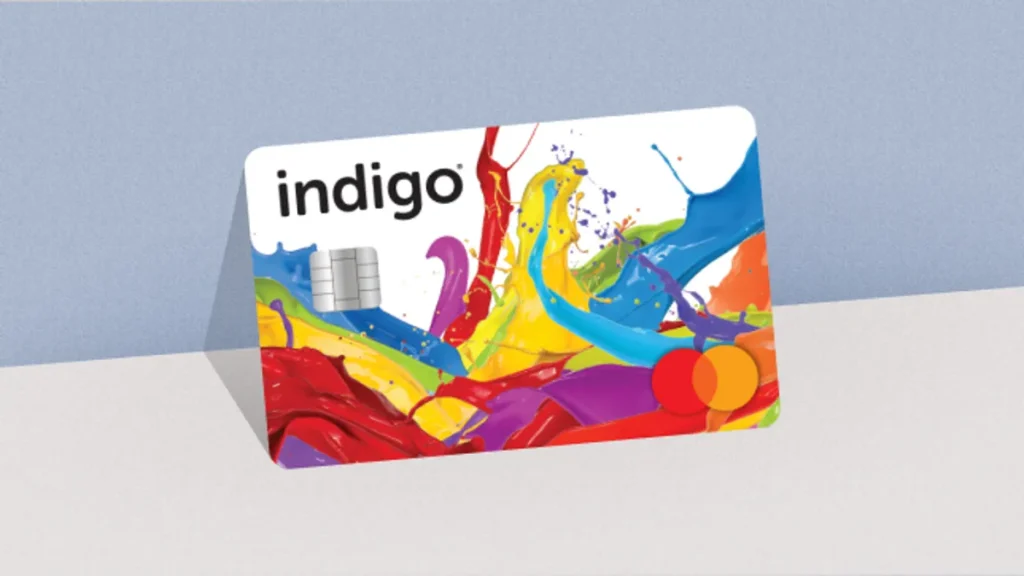
If you have fair or bad credit and keep getting declined, the Indigo Mastercard is one of the cards that frequently shows up as an option. It is an unsecured card with no deposit requirement and a reputation for accessible approval. But accessibility comes at a steep price, and this complete review lays out the full picture so you can decide whether it fits your situation.
What the Indigo Mastercard Offers
The Indigo Mastercard is an unsecured credit card designed for people with poor or limited credit who want to rebuild without putting down a security deposit. It is issued by Celtic Bank and serviced by Genesis Financial, a company that focuses on the credit-rebuilding market. Because it is unsecured, you get access to a revolving credit line based on your approval rather than on cash you set aside.
A helpful feature is the pre-qualification process. You can often see whether you are likely to be approved with no hard inquiry on your credit report until you actually accept an offer, which lowers the risk of applying.
The Fee Structure You Need to Understand
This is the most important part of any honest Indigo review. The card’s annual fee varies based on your creditworthiness, and the offers can be expensive. Some applicants are assigned a first-year annual fee around $75 to $175, with the ongoing fee often landing near $49 to $99 in later years. On certain offers, a monthly fee of roughly $12.50 begins after the first 12 months, adding to your yearly cost. The most fortunate applicants may be offered a $0 annual fee, but that is not guaranteed.
The purchase APR is also high, recently around 35.9%, well above the typical card. Between potentially high fees and a steep interest rate, the cost of holding this card can be substantial, especially relative to the modest credit limits it offers.
Credit Building and Reporting
Like other rebuilding cards, the Indigo Mastercard reports to all three major credit bureaus each month. That is the mechanism that allows on-time payments and low balances to improve your score over time. The card does not offer a meaningful rewards program, so its value is entirely in credit building rather than everyday earning.
Starting credit limits tend to be on the lower side, which means you will want to watch your utilization carefully, since even modest spending can push you toward a high percentage of your available credit.
Pros and Cons Side by Side
- Pro: No security deposit required, unlike secured cards.
- Pro: Pre-qualification with no hard inquiry until you accept.
- Pro: Accessible approval for applicants with bad credit.
- Pro: Reports to all three credit bureaus for genuine score building.
- Con: Annual fees that can be high, plus possible monthly fees later.
- Con: A very high purchase APR if you carry a balance.
- Con: No rewards or cash back to offset the cost.
- Con: Low starting credit limits that fees can eat into.
Who Should Consider It and Who Should Not
The Indigo Mastercard can be reasonable for someone with bad credit who cannot qualify for better and who does not have cash available for a secured card’s deposit. The no-hard-pull pre-qualification is genuinely useful, since it lets you gauge approval odds without risking your score.
That said, if you can fund a secured card, you will usually pay far less in fees while accomplishing the same credit-building goal. Anyone likely to carry a balance should think twice, because the APR will quickly outpace any benefit. We would not recommend this card if you have other, cheaper options available.
Using the Card the Right Way
If the Indigo Mastercard is your best available path, discipline is everything. Pay your balance in full each month so the high APR never costs you anything. Always make at least the minimum payment on time to protect the payment history you are trying to build. Keep your spending well below your limit to maintain low utilization, and steer clear of cash advances, which carry extra costs. Most importantly, treat this card as a temporary tool and reassess your options once your credit has improved enough to qualify for a lower-cost product.
Weighing It Against Other Rebuilding Cards
The Indigo Mastercard does not exist in a vacuum, and seeing it alongside its peers clarifies the decision. Secured cards remain the cheapest route for most people: in exchange for a refundable deposit, they typically charge low or no annual fees and far gentler interest rates, while still reporting to the bureaus. If you can spare a few hundred dollars for a deposit, that money comes back to you and you spend far less along the way.
Among unsecured options for bad credit, Indigo is roughly comparable to several competitors that share the same parent servicer, and a few no-fee starter cards can be cheaper if your credit is good enough to qualify. The honest summary is that Indigo’s pre-qualification and no-deposit access are real advantages for hard-to-approve applicants, but the card competes mainly on accessibility rather than value. Always compare the all-in first-year cost before committing.
Final Assessment
The Indigo Mastercard delivers on accessibility, offering unsecured credit and bureau reporting to people who are often turned away elsewhere, and its no-inquiry pre-qualification is a nice touch. The catch is cost. With annual fees that can run high, possible monthly charges, and a hefty APR, this is an expensive way to rebuild credit. If you have no other choice and you pay in full each month, it can do its job. But if you can scrape together a deposit for a secured card, that route will almost always save you money while moving you toward the same destination.
This article is for general informational purposes only and does not constitute financial advice. Rates, fees, and terms are subject to change — verify the latest details with the card issuer before applying.