In this article
Rebuilding credit after a rough patch is hard enough without sorting through confusing card offers, and the Indigo Mastercard is one name that comes up often for people with bad or limited credit. It markets itself as an unsecured option that does not require a deposit, which can be appealing if cash is tight. This review breaks down what it offers, what it costs, and whether it deserves a spot in your wallet.
Understanding the Indigo Mastercard
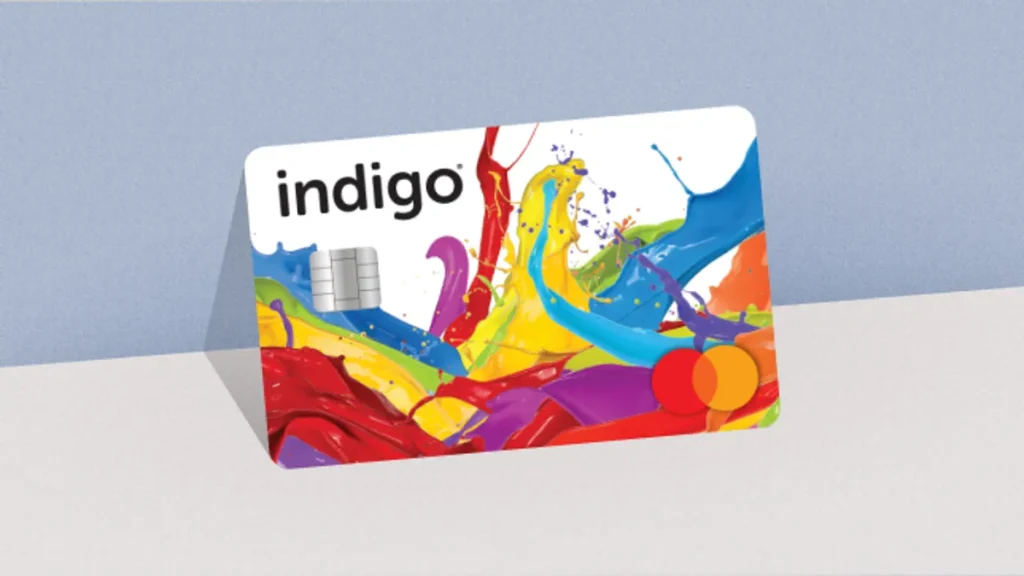
The Indigo Mastercard is an unsecured credit card aimed squarely at consumers with poor credit or a damaged history. Unlike a secured card, it does not ask you to put down a refundable deposit before you can use it. Instead, the issuer extends a modest line of credit and accepts the higher risk by charging fees and a steep interest rate. The card is widely available to applicants who have struggled to qualify elsewhere, and it functions as a standard Mastercard accepted broadly wherever the network is taken.
The Cost of Carrying This Card
This is where prospective applicants need to pay close attention. The Indigo Mastercard carries an annual fee, and the exact amount depends on your creditworthiness when you are approved. Some applicants are offered terms with a lower or even waived first-year fee, while others face a higher charge, and certain offers add a monthly fee beginning in the second year. On top of the annual costs, the purchase APR is very high, in the mid-30 percent range, which is steep even by subprime standards. Because these fees can be deducted from your available credit at the outset, your usable limit may be noticeably smaller than the headline figure. Always confirm the specific fee and rate tied to your offer before accepting.
Features and Benefits Worth Noting
The headline benefit is accessibility. Many people who cannot qualify for a deposit-based or prime card can still get approved here, and the issuer offers a prequalification step that does not hurt your score. Critically, the card reports to all three major credit bureaus, Experian, Equifax, and TransUnion, which is essential for any card you are using to rebuild credit. You also get the standard Mastercard protections and acceptance. Beyond that, the feature set is thin: there is no meaningful rewards program, no intro APR, and no premium perks to speak of.
Weighing the Good Against the Bad
- Pros: No security deposit required, making it accessible if you cannot tie up cash; available to people with bad or limited credit; reports to all three credit bureaus so responsible use can lift your score; prequalification with no hard pull lets you check your odds; widely accepted Mastercard network.
- Cons: An annual fee that can be substantial, sometimes paired with a monthly fee in later years; a very high purchase APR; no rewards or cash back; a relatively low credit limit; and fees that can eat into your available credit from day one.
Who This Card Suits
The Indigo Mastercard makes the most sense for someone with poor credit who genuinely cannot come up with a security deposit for a secured card. If avoiding an upfront deposit is the deciding factor, this card provides a path to an unsecured line and bureau reporting. It can serve as a stepping stone, used lightly and paid in full each month, until your score recovers enough to qualify for better products. It is far less suitable for anyone who can afford a secured card, since those typically cost much less and return your deposit later.
Smart Habits If You Choose It
If you decide the Indigo Mastercard fits your situation, treat it as a credit-building tool rather than a spending account. The smartest approach is to make small, regular purchases and pay the statement balance in full every month, which sidesteps the punishing interest rate entirely. Keep your utilization low relative to your limit, never miss a due date, and watch your credit reports to confirm the account is helping. Once your score improves, consider moving to a no-fee card and closing or downgrading this one to stop paying for access you no longer need.
How It Stacks Up Against Alternatives
Context matters when judging the Indigo Mastercard. Compared with a secured credit card, Indigo’s appeal is that you avoid the upfront deposit, but secured cards typically charge far lower fees and return your deposit when you close or upgrade the account in good standing, making them cheaper overall. Compared with other unsecured subprime cards, Indigo is broadly competitive, since most cards in this category carry similar fees, high rates, and no rewards. The prequalification feature is a genuine plus, because it lets you gauge your approval odds and see your likely terms without a hard inquiry denting your score. Just remember that the offer you prequalify for determines your actual fees, so two applicants can receive very different deals. The smart move is to compare the specific Indigo offer you receive against at least one secured card before committing.
The Bottom Line
The Indigo Mastercard delivers on a narrow promise: an unsecured card for people with bad credit and no deposit to spare. That accessibility, combined with three-bureau reporting, gives it a legitimate role in a credit-rebuilding plan. But the cost is real. Between the annual fee, the possibility of a monthly charge later, and a very high APR, this is an expensive way to borrow. Use it carefully and briefly, pay it off in full, and graduate to something cheaper as soon as you can. For many people, a secured card from a bank or credit union will be the better long-term value.
This article is for general informational purposes only and does not constitute financial advice. Rates, fees, and terms are subject to change — verify the latest details with the card issuer before applying.