In this article
Building credit usually means borrowing money and paying it back, but the Grow Credit Mastercard flips that idea on its head. Instead of letting you spend freely, it turns the subscriptions you already pay for into a credit-building engine. It is an unusual product, and understanding exactly how it works is the key to deciding whether it belongs in your wallet.
What Grow Credit Is and How It Differs
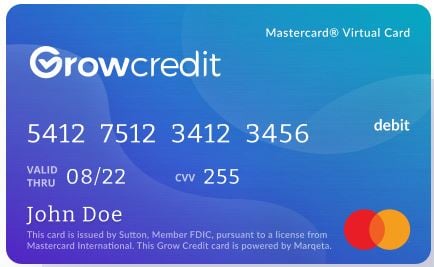
The Grow Credit Mastercard is a credit-building product designed around recurring subscriptions rather than open-ended spending. Unlike a traditional credit card, you cannot swipe it anywhere you like. Instead, you use it specifically to pay for eligible subscription services from a curated list. Grow then covers those subscription charges as an interest-free line, you repay Grow, and your on-time payments are reported to the credit bureaus. The result is a way to establish or rebuild credit without the temptation of accumulating general-purpose debt.
How the Subscription System Works
The process is straightforward. You apply, connect your bank account, and add eligible subscriptions from Grow’s catalog, which based on current findings spans 100-plus services such as popular streaming and digital memberships. You then set your virtual Grow Credit Mastercard as the payment method on those accounts. Each month, your subscriptions are charged to the card, your linked bank account funds the repayment, and Grow reports the activity. Notably, applying does not require a hard credit check, which makes it accessible to people with thin or damaged credit files.
Plans, Fees, and What You Pay
Grow Credit offers tiered membership plans, and the differences mostly come down to monthly cost and the size of the credit line available for subscriptions. Based on current findings, there is a free Build plan with no monthly fee for those who meet the underwriting criteria, a Build Starter plan around $1.99 per month for applicants who don’t yet qualify for the free tier, a Grow plan around $4.99 per month, and an Accelerate plan around $9.99 per month with a larger spending allowance. Paying annually generally earns a discount equivalent to a couple of free months. Some configurations involve a small refundable security deposit that is returned after a stretch of consecutive on-time payments. Crucially, there are no interest charges, since you are simply pre-funding subscription payments.
Features and Reporting Benefits
The standout feature is reporting to all three major credit bureaus, Equifax, Experian, and TransUnion, which is what gives the product its credit-building power. Because there is no interest and the spending is capped at your subscription amounts, the risk of spiraling into debt is low. For someone who simply wants their existing Netflix, Hulu, or similar payments to count toward a stronger credit profile, that combination of no hard pull, no interest, and full bureau reporting is genuinely appealing.
Weighing the Upsides and Downsides
- Pro: No hard credit check to apply, widening accessibility.
- Pro: No interest charges, since you fund subscription payments directly.
- Pro: Reports to all three major credit bureaus.
- Pro: A free plan is available for those who qualify.
- Con: The card only works for eligible subscriptions, not general spending.
- Con: Higher tiers carry monthly fees that can add up over time.
- Con: Spending and therefore reported activity is limited to subscription amounts.
- Con: It won’t help with goals that require flexible, everyday credit access.
Who Should Use It and Who Shouldn’t
Grow Credit is well suited to credit newcomers, students, and anyone rebuilding after setbacks who already pays for several monthly subscriptions and wants those payments to work harder. If you value a low-risk, interest-free way to add positive history to your file, the free tier in particular is hard to argue with. It is less ideal for people who need a card for real purchasing power, who want rewards on everyday spending, or who don’t have enough qualifying subscriptions to generate meaningful reported activity. In those cases, a secured card or a starter rewards card may be a better match.
Tips to Get the Most Out of It
Start with the free Build plan if you qualify, since paying a monthly fee for a credit-building tool only makes sense if the higher limit genuinely helps you. Add a couple of subscriptions you already pay for so the habit is automatic, and make sure your linked bank account always has enough to cover the charges, because the entire benefit hinges on a flawless payment record. Keep an eye on your credit reports to confirm the activity is showing up. And as your score grows, consider pairing Grow with a traditional card to broaden your credit mix.
Final Assessment
The Grow Credit Mastercard is a clever, low-risk way to convert subscription spending into credit history. With no hard pull, no interest, three-bureau reporting, and a genuinely free tier, it removes many of the usual barriers to building credit. Its limitations are real, namely that it is not a spendable card and higher plans cost money, but for the narrow job it is designed to do, it does it well. If your goal is steady, safe credit building rather than purchasing flexibility, it is worth a serious look.
This article is for general informational purposes only and does not constitute financial advice. Rates, fees, and terms are subject to change — verify the latest details with the card issuer before applying.