In this article
For people locked out of mainstream credit, an unsecured card that approves bad credit without a deposit can be tempting. The FIT Mastercard markets itself to exactly that audience. This complete review breaks down its real costs, its credit-building potential, and whether the convenience justifies a notably heavy fee structure.
An Overview of the FIT Mastercard
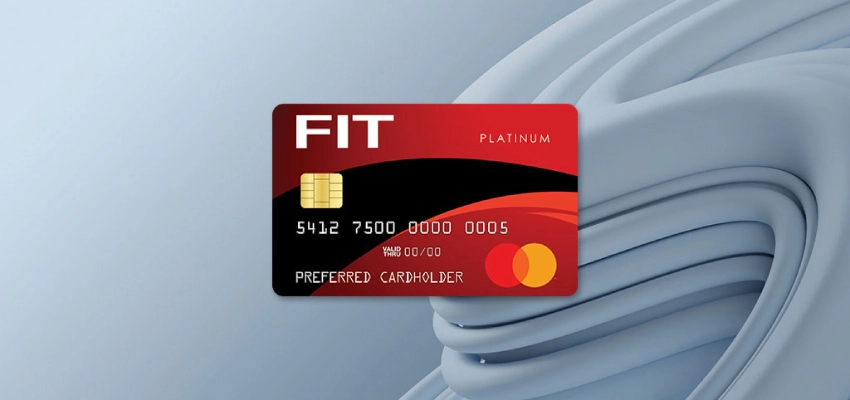
The FIT Platinum Mastercard is an unsecured credit card issued by The Bank of Missouri and serviced by Continental Finance. It targets consumers with poor or limited credit who want to rebuild without putting down a refundable security deposit. Approval odds are aimed at the subprime market, and every approved applicant is generally guaranteed a starting credit limit, with the most creditworthy borrowers potentially qualifying for more.
The Fee Structure: Read This First
The FIT card’s biggest drawback is its cost. Expect a one-time program or processing fee charged when the account opens, often reported around $95. On top of that sits an annual fee, frequently cited near $99 in the first year and rising to roughly $125 afterward. A monthly maintenance fee of about $12.50 typically begins after the first year, adding around $150 more annually.
Add it all together and the first-year cost can approach $190 or more, while ongoing years can run in the neighborhood of $275 once the annual and monthly fees combine. Against a starting limit that is often just a few hundred dollars, these fees consume a large share of your available credit immediately.
APR, Limits, and Reporting
The purchase APR on the FIT card is high, commonly reported around 35.9%, which is typical for subprime cards but expensive if you carry a balance. Approved applicants are usually guaranteed a modest initial limit, often around $400, with potential for more depending on your profile. There is no rewards program. On the upside, the card reports to Equifax, Experian, and TransUnion, so on-time payments can meaningfully support a credit rebuild.
Features and Conveniences
FIT offers standard Mastercard network acceptance, fraud protection, and online and mobile account management. Continental Finance highlights credit monitoring tools for cardholders and the possibility of a credit limit review after a stretch of responsible payments, though any increase is not guaranteed. The absence of a security deposit is a genuine convenience for applicants who lack cash to set aside, even if the trade-off is higher fees.
Balanced Pros and Cons
- Pros: Unsecured with no deposit required; designed to approve poor or limited credit; guaranteed minimum starting limit upon approval; reports to all three credit bureaus; Mastercard network acceptance and fraud protection.
- Cons: One-time program fee plus annual and monthly fees make it very expensive; high APR; low initial limit eroded by fees; no rewards; ongoing costs are well above average for the category; limit increases are not guaranteed.
Who Should Apply and Who Should Avoid It
The FIT Mastercard might make sense for someone with damaged credit who has exhausted cheaper options and cannot fund a secured-card deposit, provided they will pay the balance in full each month to avoid the high APR. For a borrower in that narrow situation, the bureau reporting can help rebuild a payment history.
However, most people are better served by a secured card, which generally charges far lower fees and refunds the deposit later. You should avoid the FIT card if you can fund a secured alternative, if the stacked fees would leave you with almost no usable credit, or if carrying a balance is likely given the steep interest rate. The math simply favors lower-cost rebuilding tools for the majority of applicants.
Tips to Limit the Damage
If you choose the FIT card, use it as narrowly as possible. Put a single small recurring charge on it, enable autopay, and pay the statement balance in full every month to avoid interest entirely. Keep utilization low relative to your modest limit, watch your free credit-monitoring updates, and set a reminder to reassess your options after several months of on-time payments so you can graduate to a cheaper card.
Final Verdict
The FIT Mastercard delivers unsecured approval for bad credit without a deposit and reports to all three bureaus, which gives it real credit-building value on paper. The problem is the price: a one-time program fee, a rising annual fee, and a monthly maintenance charge combine to make it one of the more expensive cards in its class. For most consumers, a secured card is the smarter, cheaper path to rebuilding. Reserve the FIT card for situations where you have no better option, use it sparingly, and plan to move on as soon as your credit improves.
This article is for general informational purposes only and does not constitute financial advice. Rates, fees, and terms are subject to change — verify the latest details with the card issuer before applying.