In this article
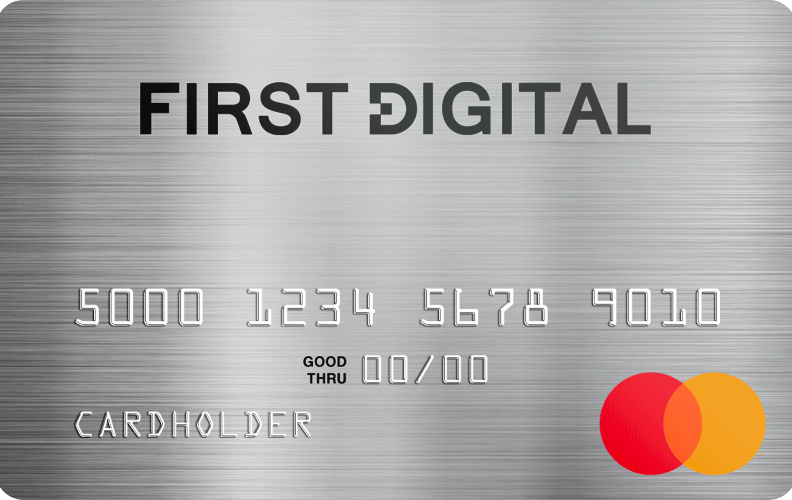
The First Digital Mastercard markets itself to people with poor or limited credit who want an unsecured card without putting down a deposit. That accessibility is genuinely appealing if you’ve been turned down elsewhere. But before you apply, it’s worth understanding exactly what this card costs and how its fees stack up, because the math here is not in your favor unless you go in with clear eyes.
Understanding the First Digital Mastercard
This is an unsecured credit card aimed at consumers with bad or thin credit. Unlike a secured card, you don’t have to provide a refundable security deposit to open the account. It’s issued through a partner bank and serviced on the First Digital platform. The card reports your activity to all three major credit bureaus, which is the feature that makes credit-building possible.
The appeal is simple: it approves applicants whom many other issuers reject. The catch is that this access comes wrapped in a fee structure that is steep even by subprime-card standards.
The Fee Structure You Need to See First
This is where careful reading matters most. The card typically carries a one-time program fee of around $95 that must be paid before the account is even activated. On top of that, there’s an annual fee in the neighborhood of $75 for the first year, often renewing lower (around the high-$40s) in later years.
Starting in the second year, a monthly servicing fee of roughly $6 per month (about $75 annually) typically kicks in; it’s usually waived during the first year. When you combine these charges, the first-year cost can run well over $150 before you’ve made a single purchase. Always verify the exact figures in your offer, since pricing can vary by applicant and change over time.
Credit Limit and Interest Rate
The starting credit limit is usually modest, often around $300. Because the first-year annual fee is generally charged against that limit immediately, your actual available credit on day one can be cut roughly in half. The purchase APR is also high, reported in the mid-30s percent range, which is well above the typical card. That makes carrying a balance very expensive and is a strong reason to pay in full each month.
What You Get in Return
The honest answer is: access and reporting, not rewards. There’s no meaningful cash-back program to offset the fees. What you do get is a genuine unsecured line of credit and consistent reporting to all three bureaus, so responsible use can help establish a positive payment history.
- No security deposit required to open the account.
- Approval for applicants with damaged or thin credit files.
- Reporting to all three major credit bureaus.
- A path to building history if you pay on time and keep balances low.
The Drawbacks to Weigh Carefully
- A program fee, annual fee, and eventual monthly servicing fee make it one of the more expensive credit-building options available.
- The low starting limit shrinks further once fees are applied.
- A high APR makes any carried balance costly.
- No rewards or notable perks to soften the cost.
How Applying and the Account Work
The application process is built to be fast and to approve applicants that prime issuers would decline. Because it’s unsecured, there’s no deposit step, but the one-time program fee must clear before the account opens, and the first-year annual fee is then deducted from your starting limit. After activation, you manage everything online or through the servicer’s portal, where you can make payments and track your available credit. A practical point that trips up many cardholders: with a small limit that shrinks further after fees, even routine spending can drive your utilization ratio high, and high utilization can hold your score back. The disciplined approach is to charge only small amounts you can immediately repay and to keep your reported balance low, so the bureau reporting works in your favor rather than against it.
Who Might Use It and Who Shouldn’t
This card could make sense for someone who has been declined by secured cards or genuinely cannot spare a deposit, and who is committed to paying the balance in full every month while treating the fees as the price of rebuilding. Used that way, the bureau reporting can do its job.
For most people, though, a secured card is the smarter choice. With a secured card, the deposit you put down is refundable and typically becomes your credit limit, and the ongoing fees are usually far lower or nonexistent. If you can come up with a $200 deposit, you’ll likely build credit more cheaply than with First Digital’s fee stack.
Smart Habits If You Decide to Apply
Treat this card as a short-term credit-building tool, not a spending account. Make small purchases you can easily cover, then pay the statement balance in full to avoid the steep interest. Keep your utilization low relative to that small limit. Set up autopay so you never miss a due date, since a single late payment can undo months of progress. And set a calendar reminder to reassess in a year: once your score improves, you may qualify for a far cheaper card and can graduate away from this one.
Final Verdict
The First Digital Mastercard delivers on its core promise of approving people with weak credit and reporting to all three bureaus, but it asks a high price to do so. Between the program fee, annual fee, eventual monthly servicing charge, and steep APR, this is among the costliest ways to rebuild credit. If you have any ability to fund a secured card deposit, that route will almost always serve you better. Consider First Digital a last resort to be used briefly, deliberately, and with a clear exit plan.
This article is for general informational purposes only and does not constitute financial advice. Rates, fees, and terms are subject to change — verify the latest details with the card issuer before applying.