In this article
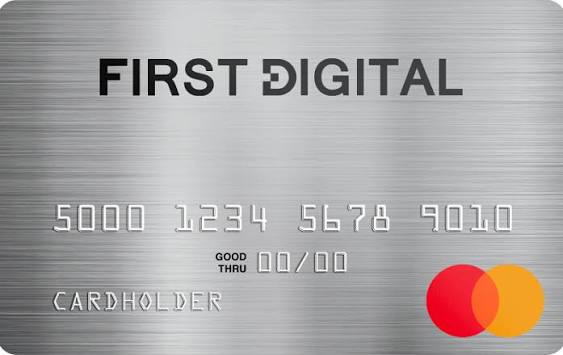
The First Digital Mastercard is a name that turns up again and again when people with damaged or thin credit go searching for a card they can actually qualify for. It is an unsecured card, meaning you don’t have to lock up a security deposit, but that convenience comes with a price tag that deserves a close look. This overview walks through how the card works, what it costs, and whether it makes sense for your situation.
What the First Digital Mastercard Actually Is
The First Digital Mastercard is an unsecured credit card issued by Synovus Bank and serviced through the First Digital platform. It is aimed squarely at consumers who have limited credit history or past credit problems and who would likely be turned down for a mainstream rewards card. Because it carries the Mastercard logo, you can use it anywhere Mastercard is accepted, which is a meaningful advantage over store cards or prepaid products. The application process is fast, often returning a decision in well under a minute, and approval typically does not require a deposit.
The appeal here is narrow but real. For consumers who have been declined repeatedly and who specifically cannot or do not want to tie up cash in a deposit, an unsecured card that still approves them and reports their behavior to the bureaus can feel like the only door open. The trade-off is that issuers who take on that risk tend to price it aggressively, and the First Digital card is no exception. Understanding that trade-off upfront is essential before you commit, because the marketing emphasizes easy approval while the costs live in the fine print.
Fees You Need to Understand Before Applying
This is the part where the card demands real attention. Based on current findings, the First Digital Mastercard carries a layered fee structure. There is a one-time program fee of roughly $95 charged before the card is even activated. On top of that, there is a first-year annual fee in the neighborhood of $75, and from the second year onward you generally face a smaller annual fee plus a monthly servicing fee that adds up to a comparable yearly cost.
The credit limit is typically modest, often starting around $300. The catch is that the upfront program fee and first-year annual fee are usually billed against that limit, so your available credit on day one can be substantially less than the stated line. The purchase APR is also very high, reported around 35.99%, which is well above the typical market average.
Features and Credit-Building Mechanics
The card’s central feature is the one most relevant to its target audience: it reports your account activity to all three major credit bureaus, Experian, TransUnion, and Equifax, on a monthly basis. Consistent on-time payments are recorded and can help build a positive payment history over time. The card may also offer a small cash-back component on purchases, though any such rewards tend to be modest and should not be the reason you choose this product.
It is worth being realistic about how credit building works with a card like this. The bureaus record whether you pay on time, how much of your limit you use, and how long the account stays open and in good standing. None of that requires a high limit or rich rewards, which is precisely why a bare-bones card can still move your score if you handle it correctly. The downside is that the same low limit makes it easy to run up high utilization on small purchases, and high utilization can actually work against you. Managing that balance carefully is the difference between this card helping or hurting.
Weighing the Benefits Against the Drawbacks
- Pro: Unsecured, so no security deposit is required to open the account.
- Pro: Easier approval odds for applicants with poor or limited credit.
- Pro: Reports to all three major bureaus, supporting credit building.
- Pro: Carries Mastercard acceptance for broad everyday usability.
- Con: A heavy stack of fees, including a program fee, annual fee, and recurring monthly charges.
- Con: A very high APR that makes carrying a balance expensive.
- Con: A low starting limit that shrinks further once fees are applied.
- Con: Minimal rewards that do little to offset the cost.
Who Should Consider It and Who Should Skip It
The First Digital Mastercard is essentially built for one type of person: someone with bad or nonexistent credit who has been declined elsewhere and specifically wants an unsecured card rather than a secured one. If putting down a deposit is genuinely impossible for you, this card offers a path forward. For nearly everyone else, the math is unfavorable. If you can scrape together a few hundred dollars for a refundable deposit, a secured card will almost always cost dramatically less in fees while serving the same credit-building purpose. Anyone who expects to carry a balance should be especially cautious given the steep interest rate.
Tips for Using It Wisely
If you decide this card fits your circumstances, treat it as a short-term tool rather than a long-term home. Pay the balance in full every month to avoid the punishing APR entirely. Keep your utilization low, which is harder when fees eat into an already small limit, so consider making small purchases and paying them off quickly. Set up autopay so you never miss a due date, since the entire value of this card rests on building a clean payment record. Once your score improves, plan to graduate to a no-fee or low-fee card and either close this account or stop using it.
Final Verdict
The First Digital Mastercard does what it promises: it gives people with troubled credit an unsecured card that reports to the bureaus. But it charges handsomely for that access. The combination of an upfront program fee, recurring annual and monthly fees, a low limit, and a high APR makes it an expensive way to rebuild. It can work as a last resort when a secured card is truly off the table, but most consumers will be better served by a low-cost secured alternative. Read the fee disclosures carefully and go in with clear eyes.
This article is for general informational purposes only and does not constitute financial advice. Rates, fees, and terms are subject to change — verify the latest details with the card issuer before applying.