In this article
For people working to rebuild a damaged credit history, an unsecured card that doesn’t require a deposit can feel like a rare opportunity. The Destiny Mastercard markets itself to exactly this audience: applicants with bad or limited credit who may struggle to qualify elsewhere. Before you sign up, though, it’s worth understanding the full cost, because this card’s convenience comes with a notably heavy price tag.
What the Destiny Mastercard Is
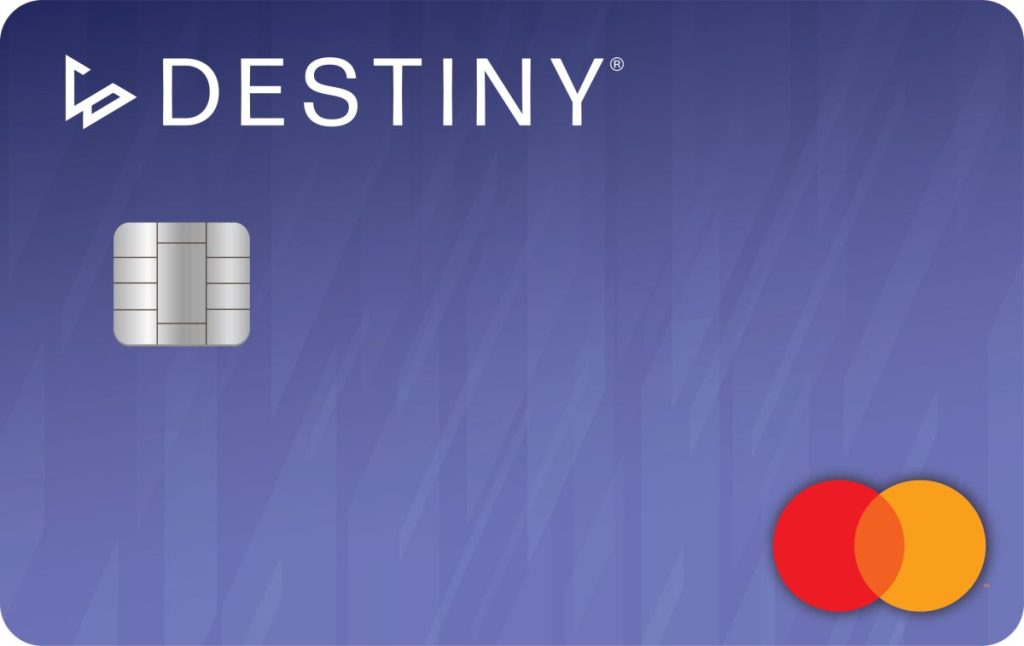
The Destiny Mastercard is an unsecured credit card aimed at consumers with poor to fair credit. Unlike a secured card, it does not require you to put down a refundable security deposit to open the account. It reports your payment activity to all three major credit bureaus each month, which is the feature that makes it a credit-building tool rather than just a way to spend.
The card is issued through Genesis FS Card Services and runs on the Mastercard network, so it is accepted broadly wherever Mastercard is taken. The trade-off for skipping the deposit is a fee structure that is among the steepest in its category. In other words, you are paying a premium for not having to lock up cash, and that premium is substantial.
For someone who has been repeatedly declined for mainstream cards, the promise of an unsecured account that does not demand hundreds of dollars up front can be genuinely tempting. The catch is that the convenience is front-loaded with cost, so it pays to understand exactly what you are agreeing to before you accept the offer.
The Fee Structure You Need to Know
This is where the Destiny card demands close attention. It typically charges an annual fee of around $175 in the first year, which may drop to roughly $49 in subsequent years. In addition, after the first year a monthly fee of about $12.50 can apply, which adds up to a meaningful recurring cost on top of the annual charge.
The variable APR is very high, reported in the neighborhood of 35.9%. Because the card often comes with a modest credit limit, the annual fee alone can consume a sizable portion of your available credit before you’ve spent anything. Always verify the exact fees and rate on the current offer, since terms can vary by applicant.
Features and Limitations
The Destiny card is light on perks. There is no rewards program, no cash back, and no sign-up bonus. Its primary function is straightforward: provide access to an unsecured line of credit and report your behavior to the bureaus so that responsible use can help your score over time.
On the positive side, the application sometimes includes a pre-qualification step that lets you check your odds without a hard inquiry. Standard Mastercard protections, such as fraud liability coverage, generally apply. Beyond that, the feature set is minimal.
The absence of rewards is not unusual for a subprime card, but it does mean every dollar of fees is a pure cost with nothing earned back to offset it. Where a rewards card might return a small percentage of your spending, the Destiny card simply charges you for access. That makes the math unforgiving: the only real return on this card is the improvement to your credit profile that comes from consistent, responsible use and reliable bureau reporting.
Weighing the Pros and Cons
- Pro: No security deposit required, unlike secured cards.
- Pro: Reports to all three credit bureaus monthly.
- Pro: Possible pre-qualification without a hard pull.
- Pro: Accessible to applicants with bad credit.
- Con: Steep first-year annual fee around $175.
- Con: Recurring monthly fee after the first year.
- Con: Very high APR near 36%.
- Con: No rewards, perks, or meaningful benefits.
Who Might Consider It and Who Shouldn’t
The Destiny card makes the most sense for someone who has been declined for secured cards or genuinely cannot afford to tie up cash in a deposit, yet still wants an unsecured account that reports to the bureaus. In that narrow situation, the fees may be a tolerable cost of regaining access to credit.
For nearly everyone else, this card is hard to recommend. If you can come up with a deposit, a no-annual-fee secured card from a major bank usually offers the same credit-building power at a fraction of the cost. People who can qualify for any lower-fee option should look there first rather than absorbing the Destiny card’s heavy charges.
Smart Ways to Use It
If you do open this card, discipline is essential to keep it from becoming a money drain. Use it for one small recurring charge each month and pay the balance in full to avoid the punishing interest rate. Never let your balance climb toward the limit, since high utilization both costs you interest and can hurt your score. Set up autopay so you never miss a due date, and treat the card strictly as a stepping stone. Once your credit improves, plan to move to a no-fee card and consider closing this one to stop the fees.
Final Verdict
The Destiny Mastercard delivers on its core promise of unsecured credit for people with poor credit, and it does report to all three bureaus. But its high annual fee, ongoing monthly charge, and steep APR make it an expensive way to build credit. It is best viewed as a last resort for applicants who have exhausted cheaper alternatives. If a secured card or any lower-cost option is within reach, that path will almost always serve you better in the long run.
This article is for general informational purposes only and does not constitute financial advice. Rates, fees, and terms are subject to change — verify the latest details with the card issuer before applying.