In this article
For households that buy in bulk, a warehouse-club credit card can quietly add up to real savings over a year. The BJ’s One+ Mastercard, issued by Capital One, is the upgraded tier of BJ’s co-branded card program and is designed to reward frequent club shoppers. The question worth answering is whether its richer rewards justify the membership it requires.
Getting to Know the BJ’s One+ Mastercard
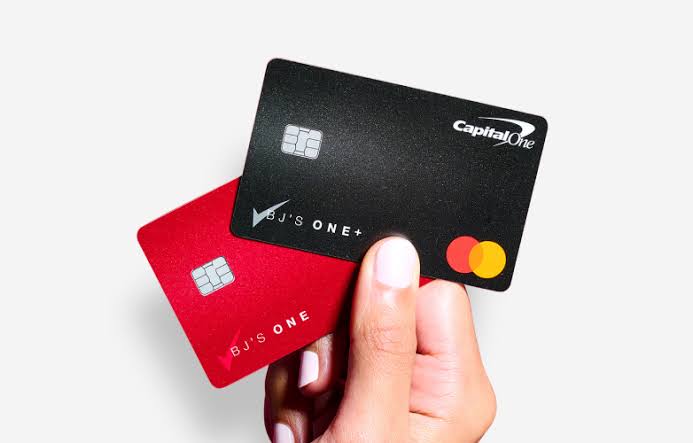
The BJ’s One+ Mastercard is a co-branded warehouse-club card from Capital One tied to BJ’s Wholesale Club. It sits a step above the standard BJ’s One Mastercard, offering a higher in-club rewards rate in exchange for a premium club membership. Because it runs on the Mastercard network, you can use it well beyond BJ’s, anywhere Mastercard is accepted, which makes it a candidate for an everyday card rather than just a store-only product.
Warehouse-club cards occupy a particular niche. They tend to reward concentrated loyalty rather than broad flexibility, which means their value rises and falls with how much of your spending lands inside the club’s walls. The Plus tier is BJ’s bet that its most engaged members will spend enough to justify a richer rate, and for many families that bet pays off. Before applying, it helps to picture your typical month: how often you visit BJ’s, how much you spend per trip, and whether you fuel up at the club’s gas stations. Those habits, more than any headline number, determine whether this card is the right fit.
The Cost Equation: Card Fee Versus Membership
Here is the nuance that trips people up. The credit card itself has no annual fee. However, the BJ’s One+ Mastercard is paired with a BJ’s Club+ membership, which based on current findings runs around $110 per year. That membership fee is charged by BJ’s, not by Capital One, but it is effectively the entry ticket to the card’s best rewards rate. So while there is no fee from the card issuer, you should treat the club membership as part of the total cost when you evaluate whether the card pays off.
How the Rewards Stack Up
The rewards structure is where this card earns its keep. Cardholders earn 5% back in rewards on eligible purchases made in club, on BJs.com, or in the BJ’s app, which is a strong rate for a no-annual-fee card and the main reason to choose the Plus tier over the standard version. On purchases made everywhere else, the card earns 2% back. There is also a fuel perk: you receive an instant discount of roughly 15 cents off per gallon at BJ’s Gas when you pay with the card and scan your membership. Note that the gas purchases themselves generally do not earn the rewards percentages, so the savings come from the per-gallon discount rather than points.
Benefits Beyond the Basic Rate
Rewards earned typically convert into BJ’s spending power that can be redeemed against future purchases at the club, which is convenient if BJ’s is already a staple of your routine. The flat 2% on outside spending makes the card respectable as a general-purpose option, and Mastercard acceptance means you are not limited to warehouse runs. Combined with the gas discount, a household that fuels up at BJ’s and does its bulk grocery shopping there can accumulate meaningful value across the year.
Pros and Cons at a Glance
- Pro: A generous 5% back on eligible BJ’s purchases for in-club and online shoppers.
- Pro: No annual fee charged by the card itself.
- Pro: A solid 2% flat rate on spending outside of BJ’s.
- Pro: An instant per-gallon discount at BJ’s Gas.
- Con: The 5% rate effectively requires the higher-cost Club+ membership.
- Con: Rewards are tied to the BJ’s ecosystem, limiting value for non-shoppers.
- Con: Gas purchases generally don’t earn the rewards percentages.
- Con: Like most rewards cards, the APR can be high if you carry a balance.
Who It Suits and Who Should Look Elsewhere
This card is a natural fit for committed BJ’s members, particularly larger families and households that buy groceries, household goods, and other essentials in bulk and already pay for a club membership. If you are spending enough at BJ’s each year, the 5% rewards can more than cover the cost of the premium membership, turning the Plus tier into a clear win. On the other hand, if you only shop at BJ’s occasionally, the premium membership may not pencil out, and a flat-rate cash-back card with no membership requirement could serve you better. Shoppers who don’t want to be locked into a single retailer’s ecosystem should weigh that limitation seriously.
Smart Strategies for Maximizing Value
To get the most from this card, run the numbers on your actual BJ’s spending first. Estimate your yearly in-club and online purchases, multiply by 5%, and compare that to the membership cost to see if you come out ahead. Use the card for all eligible BJ’s purchases to capture the top rate, and lean on the 2% everywhere else only if you don’t have a stronger category card for those purchases. Always pay your balance in full to keep the APR from eroding your rewards, and remember to scan your membership at the pump to lock in the fuel discount.
The Bottom Line
The BJ’s One+ Mastercard is a focused, rewarding card for the right shopper. Its 5% in-club rate is genuinely competitive, and the lack of a card annual fee is a plus. The catch is the premium club membership it leans on, which means the card delivers its best value to loyal, high-volume BJ’s members. Do the math on your shopping habits, and if BJ’s is central to how you stock your home, this card can be a worthwhile wholesale rewards tool.
This article is for general informational purposes only and does not constitute financial advice. Rates, fees, and terms are subject to change — verify the latest details with the card issuer before applying.